
No more intros for you my friend, let’s dive right in!
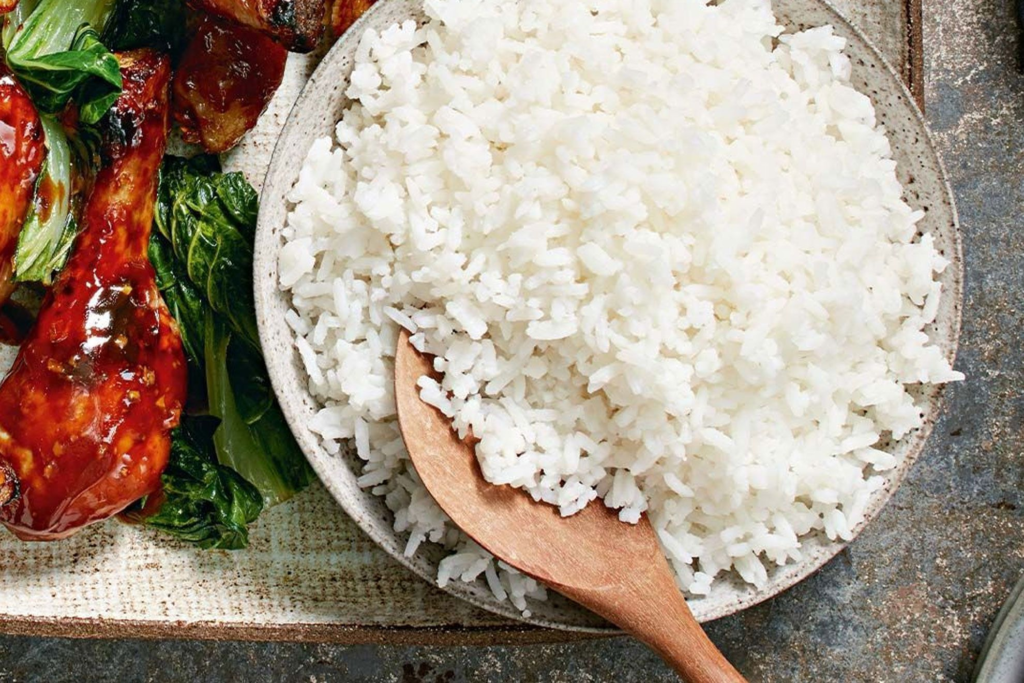
The Bottom Line: White rice is not inherently fattening and does not cause weight loss failure on its own. Fat loss is governed by daily caloric balance, not the exclusion of specific carbohydrate sources. One cup of cooked white rice contains approximately 200 calories and 45g of carbohydrates—virtually identical in energy density to brown rice—making it a viable, high-performance fuel source when paired with adequate protein and portion control.
Key Takeaways
- Calories Over Color: White rice (200 kcal/cup) and brown rice (216 kcal/cup) have nearly identical caloric densities. Switching to brown rice won’t trigger weight loss if total intake remains in a surplus.
- Glycogen Fuel: Carbohydrate intake from rice fuels high-intensity resistance training and keeps metabolic performance high during demanding corporate or shift work.
- The Plate Proportion Rule: Instead of banning rice, structure your plate with 50% lean protein and vegetables, capping white rice at 1 cup per meal to automatically control energy density.
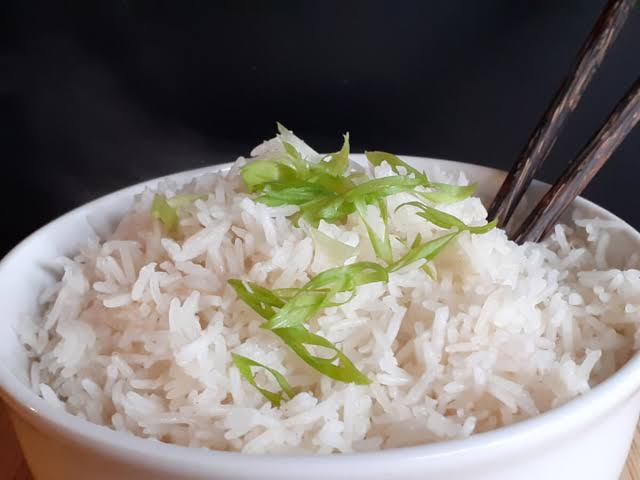
The Great Pinoy Rice Stigma
If you grew up in a Filipino household, rice isn’t just side food—it is the foundation of every single meal. From morning silogs to late-night kanin paired with adobo, rice is deeply woven into our food culture.
When busy professionals or overseas Filipino workers (OFWs) decide to get in shape, the first advice they usually hear from generic online diets is immediate and brutal: “Cut out all rice.”
This leads to a predictable cycle:
- You switch to eating dry chicken breast and salad.
- Your energy drops at work or during late-night shifts.
- Cravings hit hard by day 4.
- You binge on three cups of extra rice over the weekend and feel like you failed your diet.
The problem isn’t your willpower. The problem is the false premise that white rice is bad for fat loss.
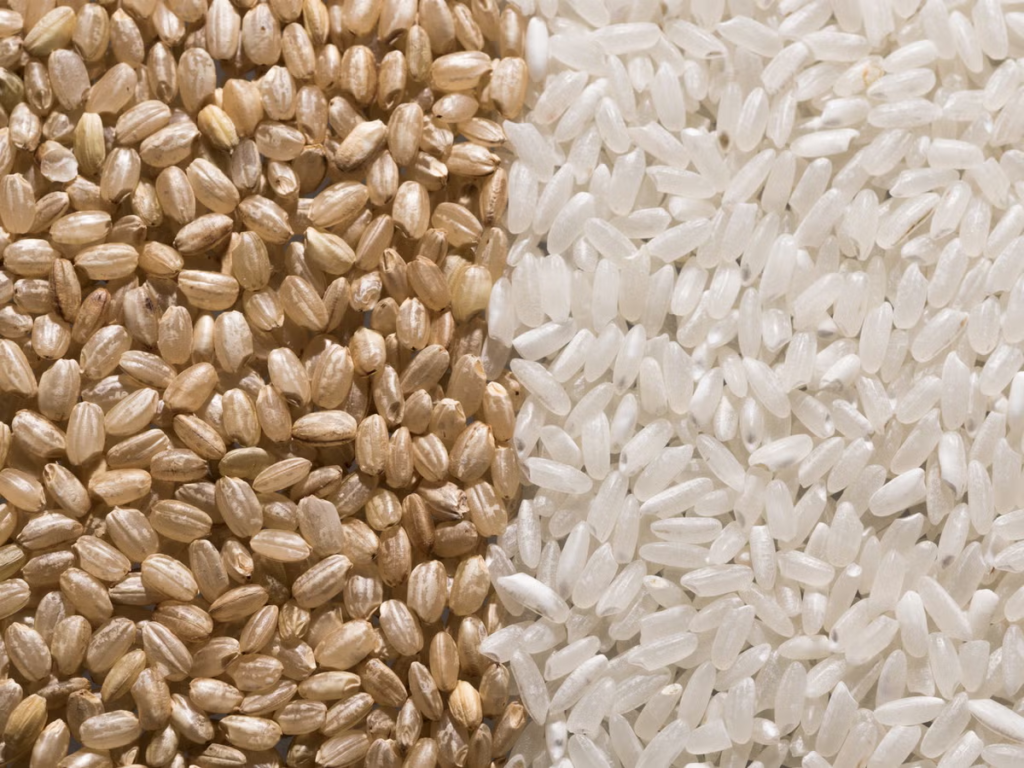
White Rice vs. Brown Rice: What Does the Science Say?
The most common defense for cutting white rice is its Glycemic Index (GI)—the speed at which a food raises blood glucose levels. White rice has a higher GI than brown rice because its outer bran layer is removed during milling.
However, looking at rice in isolation ignores how humans actually eat food.
You rarely eat a bowl of plain white rice on an empty stomach. You eat it with sinigang, tinola, bistek, or grilled fish. When you pair white rice with protein, dietary fat, and fibrous vegetables, the overall digestion rate slows down significantly. This lowers the effective glycemic impact of the entire meal.
Nutritional Comparison (1 Cup Cooked, ~158g)
| Nutrient | Cooked White Rice | Cooked Brown Rice |
| Calories | 205 kcal | 218 kcal |
| Carbohydrate | 45 g | 46 g |
| Protein | 4.2 g | 4.5 g |
| Fat | 0.4 g | 1.6 g |
| Dietary Fiber | 0.6 g | 3.5 g |
Notice the calorie numbers: brown rice actually has slightly more calories than white rice. While brown rice offers more micronutrients and fiber, choosing brown over white will not magically burn fat if you are consuming more energy than you expend.
Why Filipinos Overeat Rice (And How to Fix It)
White rice doesn’t make you fat. Unmeasured portion sizes and low protein intake do.
Because traditional Pinoy dishes are rich, salty, and savory, they are chemically engineered to encourage high rice consumption. A single serving of pork adobo or pork sisig can easily lead to 3–4 cups of rice (600–800 extra calories) just to balance out the strong flavors.
The Hand Measurement Framework for Rice
If you want to keep rice in your diet while losing belly fat, stop guessing your portions. Use this visual guide for every main meal:
- For Men: 1 Cupped Palm of cooked white rice per meal (≈ 1 cup or 200 kcal).
- For Women: 1/2 to 1 Cupped Palm of cooked white rice per meal (≈ 0.5–1 cup or 100–200 kcal).
Practical Action Plan for Busy Professionals & OFWs
- Cook Extra Protein First: Ensure every meal starts with at least 30–40g of protein (e.g., 150g chicken breast, lean beef, or fish). Protein triggers satiety hormones that prevent overeating rice.
- Cool Your Rice (Resistant Starch Hack): If you meal-prep, cook your white rice ahead of time and cool it in the fridge overnight. Reheating cooled rice increases its resistant starch content, which lowers its digestible caloric density and acts like prebiotic fiber for gut health.
- Earn Your Carbs Around Workouts: Place your highest-rice meal immediately after your weight training session. Your muscles will preferentially store those carbohydrates as glycogen rather than storing them as fat.
Stop Guessing. Start Transforming.
Understanding that white rice isn’t the enemy is just step one. The real challenge for busy professionals and OFWs isn’t finding information—it’s execution and accountability when working 50+ hour weeks, managing night shifts, or dealing with constant travel.
You don’t need a restrictive meal plan that cuts out your favorite Pinoy comfort foods or forces you to spend two hours in the gym every day. You need a system built around your actual life, schedule, and cultural dietary preferences.