

We all want that fresh, healthy glow and joints that can keep up with our training. Many people assume the only way to get more collagen is an expensive supplement. But a lot of what your body needs to build and protect collagen is already at the palengke.
What Is Collagen?
Collagen is the most abundant protein in the body. It gives structure to your skin, tendons, ligaments, bones and joints. Your body makes it on its own, but production slows down as you age, which is part of why skin loses elasticity and joints feel stiffer over time.
The Nutrients Your Body Needs to Make Collagen
Vitamin C
Vitamin C is essential for collagen production. Without it, your body can’t form stable collagen fibers. A review on the roles of vitamin C in skin health explains why it’s so important for healthy skin. Good sources:
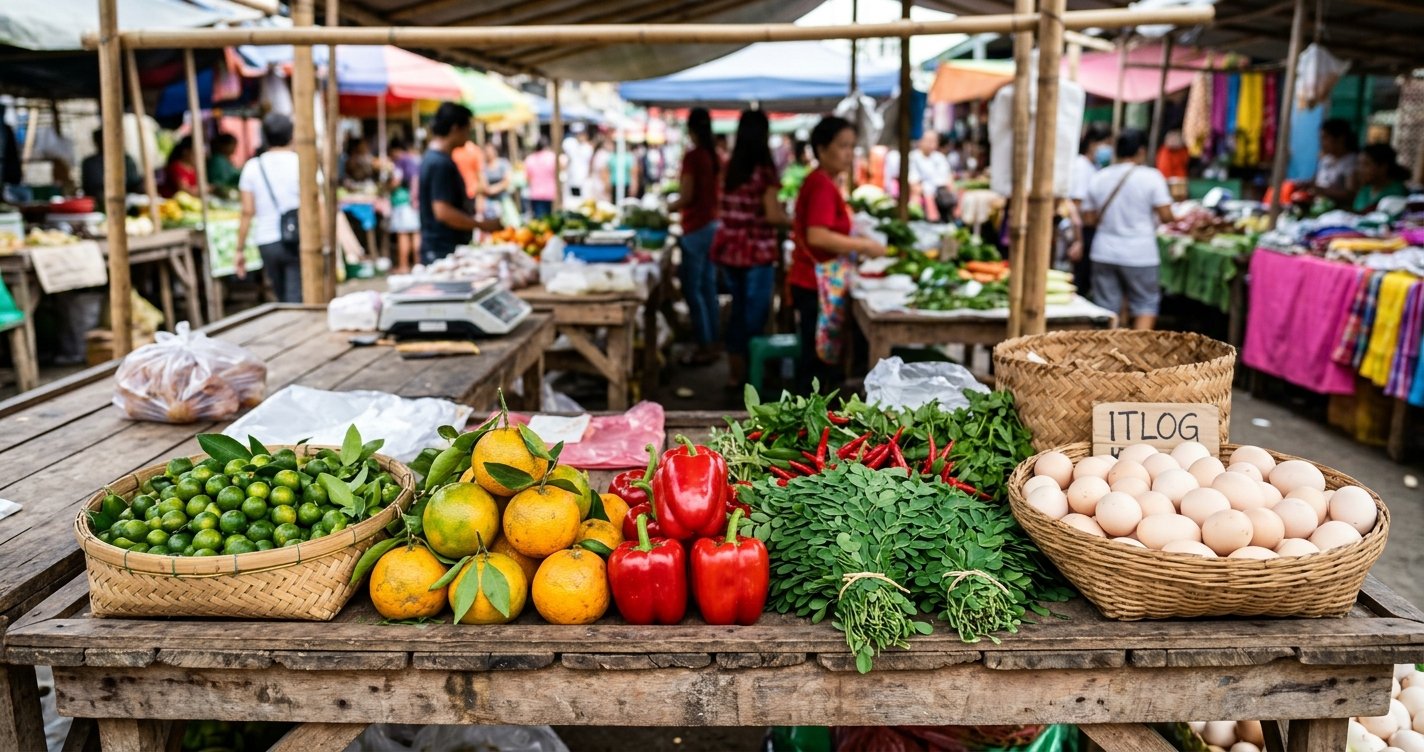
- Calamansi, dalandan, oranges and pomelo
- Red and yellow bell peppers
- Malunggay, kangkong and other leafy greens
- Guava (bayabas) and papaya
Protein (Especially Glycine and Proline)
Collagen is built from amino acids, mainly glycine and proline. Eating enough total protein gives your body the raw materials. Eggs, fish, chicken, meat and dairy all help.
Zinc and Copper
These minerals help the enzymes that build collagen. Find zinc in shellfish (especially talaba), meat, nuts and seeds, and copper in cashews, sesame seeds, beans and dark chocolate.
Foods That Contain Collagen
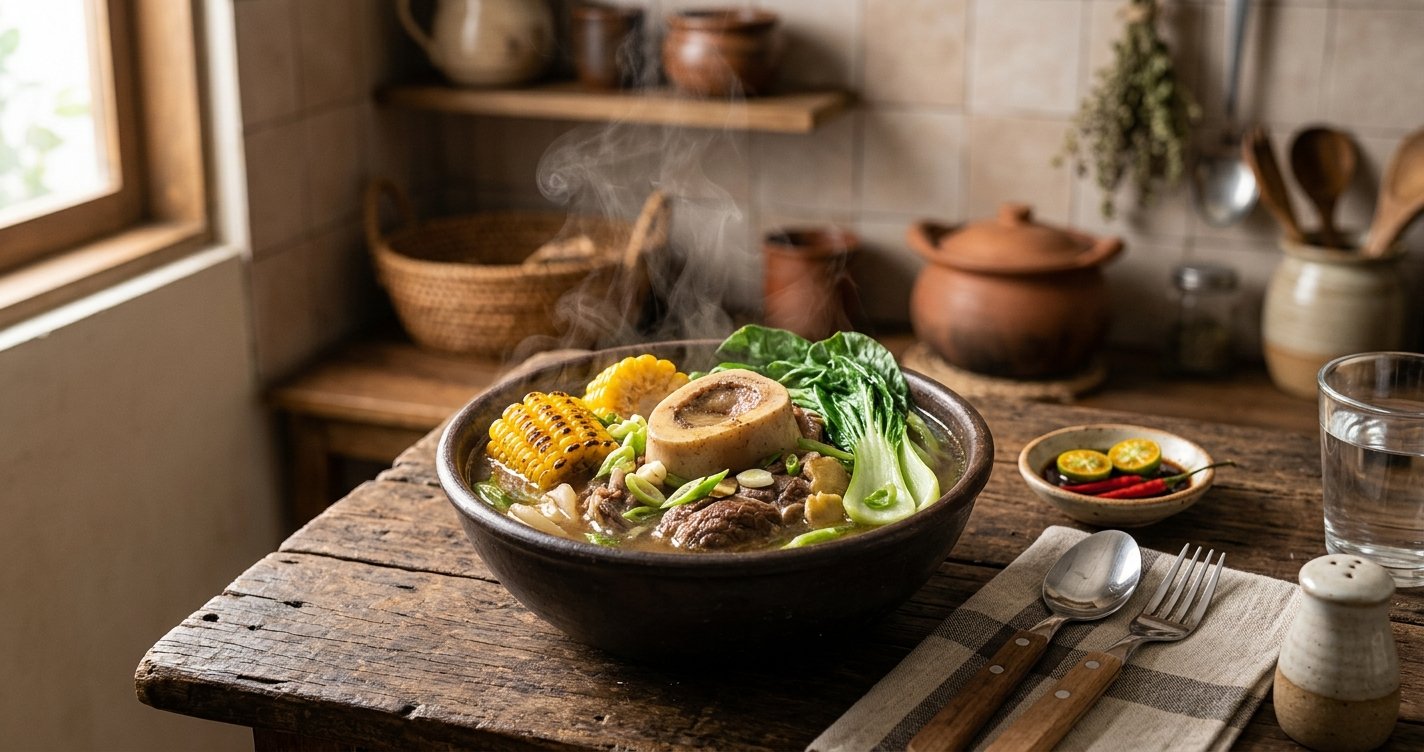
- Bone broth: slow-cooked bulalo, nilaga and chicken tinola draw collagen and gelatin out of bones and connective tissue.
- Chicken and fish skin: rich in collagen. Enjoy it, just watch the frying oil.
- Small fish with soft bones: canned sardines and dilis are affordable sources of protein and calcium.
- Gelatin: made from collagen, so gulaman made with real gelatin counts too.
What About Collagen Supplements?
The research is promising. A 2021 meta-analysis of 19 studies found that taking hydrolyzed collagen for around 90 days improved skin hydration and elasticity and reduced wrinkles compared with placebo. A 2023 meta-analysis of 26 randomized trials found similar improvements in hydration and elasticity, though the authors noted several study biases and called for larger trials.
Bottom line: supplements may help your skin, but they are optional. Enough protein and vitamin C every day comes first.
Protect the Collagen You Already Have
- Wear sunscreen. UV exposure is one of the biggest causes of collagen breakdown, and the Philippine sun is strong.
- Don’t smoke. Smoking accelerates skin aging.
- Sleep well. Your body repairs tissue while you rest.
- Keep sugar in check. Very high sugar intake can damage collagen over time.
- Strength train. Loading your muscles and tendons keeps connective tissue strong.
Guides like this give you a strong foundation. But the fastest progress comes when your nutrition is matched to your body, schedule and goal. If you want a plan built around real Filipino food and your training, team up with an online fitness coach in the Philippines.
Lezzgo!