

If you keep up with fitness nutrition, you already know creatine monohydrate is the undisputed king of performance supplements. It builds strength, speeds up recovery, and supports cognitive function.
However, compelling new research from the University of California, Los Angeles (UCLA) suggests this staple gym supplement might have a surprising secondary role: helping the body’s immune system fight cancer.
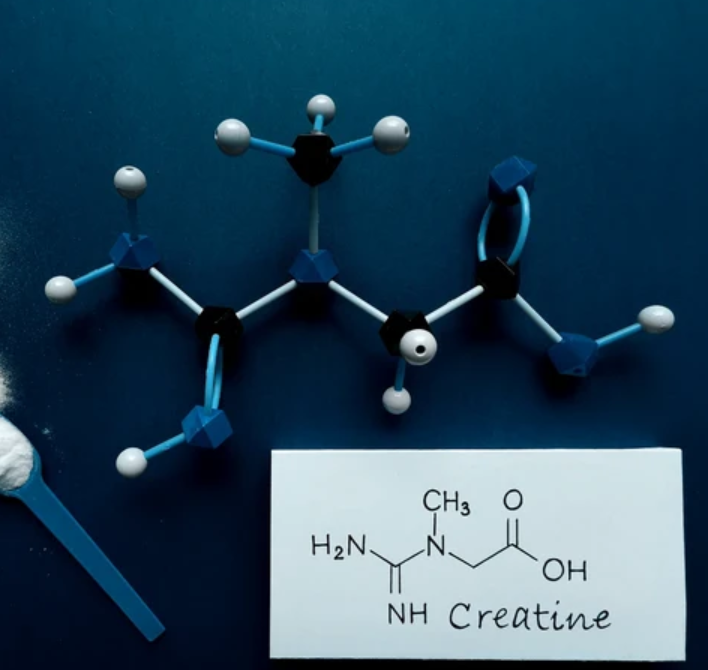
Before you double your daily scoops, let’s break down what the study discovered, how it works, and why context is everything.
The Discovery: Energizing the Immune System’s “Sentinels”
Most modern cancer immunotherapies focus directly on killer T cells—the specialized white blood cells that physically attack tumors. However, T cells can’t work effectively without dendritic cells, which act as the “sentinels” of the immune system by capturing tumor fragments and training T cells to attack.
In a study published in the journal iScience, UCLA researchers found that:
- Creatine Acts as a Cellular Battery: Tumor-infiltrating dendritic cells require immense energy to function. Creatine boosts intracellular ATP (the cell’s primary energy currency), helping dendritic cells stay active even in harsh tumor environments.
- Slowed Tumor Growth in Models: In mouse models with melanoma, creatine supplementation significantly slowed tumor growth while boosting the quantity and activity of tumor-fighting dendritic cells.
- Enhanced Human Cell Activation: Laboratory tests showed that creatine also boosted the activation of human dendritic cells, improving their ability to instruct T cells to target cancer cells.
As senior study author Dr. Lili Yang noted, creatine doesn’t just support the front-line T cells; it energizes the entire guidance infrastructure that modern immunotherapies rely on.
What This Means (and What It Doesn’t)
While headlines like “Creatine Fights Cancer” sound ground-breaking, it is vital to read past the hype.
1. Creatine is NOT a Cancer Cure or Treatment
The researchers explicitly cautioned that these findings do not make creatine a standalone cancer therapy. The study was conducted in lab dishes and mouse models—not clinical human cancer trials. How oral supplementation behaves inside human cancer patients requires far more rigorous testing.
2. The Focus is Immunotherapy Support
The real clinical promise lies in adjuvant therapy. Since current immunotherapies only work for about 20% to 40% of patients, researchers hope that incorporating creatine could make existing treatments or cancer vaccines far more potent.
3. Do Not Self-Prescribe During Treatment
If you or a loved one are undergoing medical treatment, never introduce new supplements without consulting an oncologist. Cancer biology is extraordinarily complex, and unmonitored supplementation can interact unpredictably with medical regimens.

The Takeaway for Gym-Goers
For active individuals taking creatine for performance, strength, and physique goals, this research is a reassuring reminder of the supplement’s broad bio-energetic benefits. While its potential in oncology is an exciting frontier, its role in your daily routine remains simple: powering cellular energy where your body needs it most.