
In our hyper-productive modern culture, sacrificing rest has become a badge of honor. Whether you are clocking late-night overtime, enduring two-hour commutes along EDSA, or trying to squeeze in family duties before the sun comes up, getting by on five or six hours of sleep is often praised as dedication. But emerging science reveals a sobering reality: consistently sleeping less than seven hours does not make you more productive—it could literally shave years off your life.
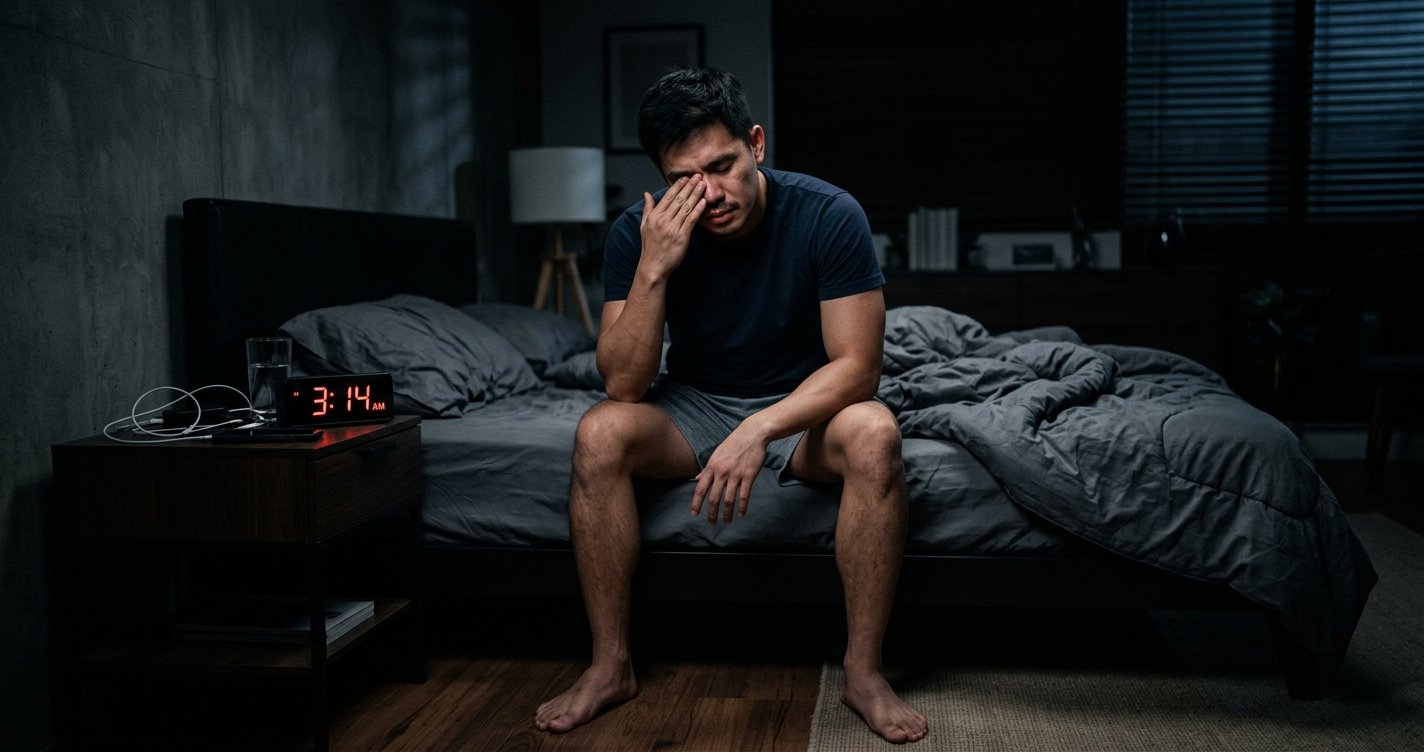
According to recent longevity and epidemiological findings highlighted by groundbreaking research reported on ScienceDaily, sleeping fewer than seven hours on a regular basis dramatically elevates all-cause mortality and accelerates cellular aging. The notion that you can “catch up on sleep over the weekend” is proving to be a dangerous misconception that compromises your cardiovascular system, metabolic function, and mental well-being.
As a certified NASM personal trainer and ISSA nutrition coach, I see this challenge constantly among busy professionals and parents in the Philippines. People invest tremendous effort into rigorous workouts and meticulous meal prepping, yet they treat sleep as an afterthought. Let us break down what the latest scientific evidence tells us, how chronic sleep loss threatens your longevity, and the realistic steps you can take to reclaim your health.
The Science of Longevity: Why 7 Hours Is the Critical Threshold
Sleep is not merely passive downtime; it is the body’s primary window for systemic repair, memory consolidation, hormone regulation, and cellular waste removal. Global health guidelines from organizations like the Centers for Disease Control and Prevention (CDC) firmly recommend that adults achieve at least 7 to 9 hours of uninterrupted sleep each night.
When you dip below that seven-hour baseline, the consequences cascade throughout your entire physiology:
- Accelerated Cardiovascular Strain: Chronic sleep restriction elevates resting heart rate, spikes systemic blood pressure, and drives arterial inflammation, increasing the lifetime risk of coronary heart disease and stroke.
- Impaired Glucose Metabolism: Depriving your body of essential rest decreases insulin sensitivity. Your cells become resistant to insulin, paving the way toward metabolic syndrome and Type 2 diabetes.
- Cellular and Telomere Shortening: Clinical longevity trials indicate that sleep-deprived individuals exhibit shortened telomeres—the protective caps at the ends of our chromosomes—which serves as a direct biomarker for premature biological aging.
- Compromised Immune Defense: Cytokine production drops drastically when you are sleep-deprived, leaving you vulnerable to systemic infections and prolonged inflammatory states.

The Filipino Dilemma: Commutes, Hustle Culture, and Puyat
For the average Filipino worker or parent, getting seven hours of sleep often feels impossible. Between demanding corporate deadlines, shifting schedules in the BPO sector, heavy household chores, and the infamous Manila gridlock, daily life leaves little margin for rest. We tell ourselves “sanay naman ang katawan ko sa puyat” (my body is used to staying up late). But biologically speaking, your body never truly “adapts” to sleep deprivation; it simply learns to operate in chronic emergency mode.
When cortisol (the primary stress hormone) remains chronically elevated due to sleep debt, it creates an unfavorable hormonal storm. Your body holds onto visceral abdominal fat, breaks down lean muscle tissue, and signals insatiable hunger cravings by boosting ghrelin (the hunger hormone) while blunting leptin (the satiety hormone). If you have ever wondered why staying up late triggers an irresistible urge for sugary snacks or instant noodles, ayun lang—it is an innate chemical reaction, not a lack of willpower.
In fact, chronic lack of sleep directly negates the effort you put into training. We previously explored this exact phenomenon in our detailed breakdown of how sleep deprivation is sabotaging your workouts. If your recovery is compromised, your gym sessions cannot yield optimal results.
How Sleep Deprivation Halts Muscle Retention and Fat Loss
Many individuals believe that progress happens inside the gym or across the training mat. In reality, training provides the stimulus, but sleep delivers the actual transformation. During Stage 3 and Stage 4 deep slow-wave sleep, your pituitary gland releases human growth hormone (HGH), which is vital for tissue repair, muscle protein synthesis, and metabolic health.
When you cut your sleep down to five or six hours:
- Protein synthesis drops: Your muscles cannot recover properly from resistance training, which increases soreness and heightens the risk of soft-tissue injuries.
- Metabolic rate slows down: The body conserves energy when fatigued, reducing your non-exercise activity thermogenesis (NEAT)—the subconscious calories you burn fidgeting, walking, and moving throughout the day.
- Cognitive sharpness diminishes: Decision-making fatigue sets in, making you more prone to skipping scheduled workouts and deviating from your nutritional plan.
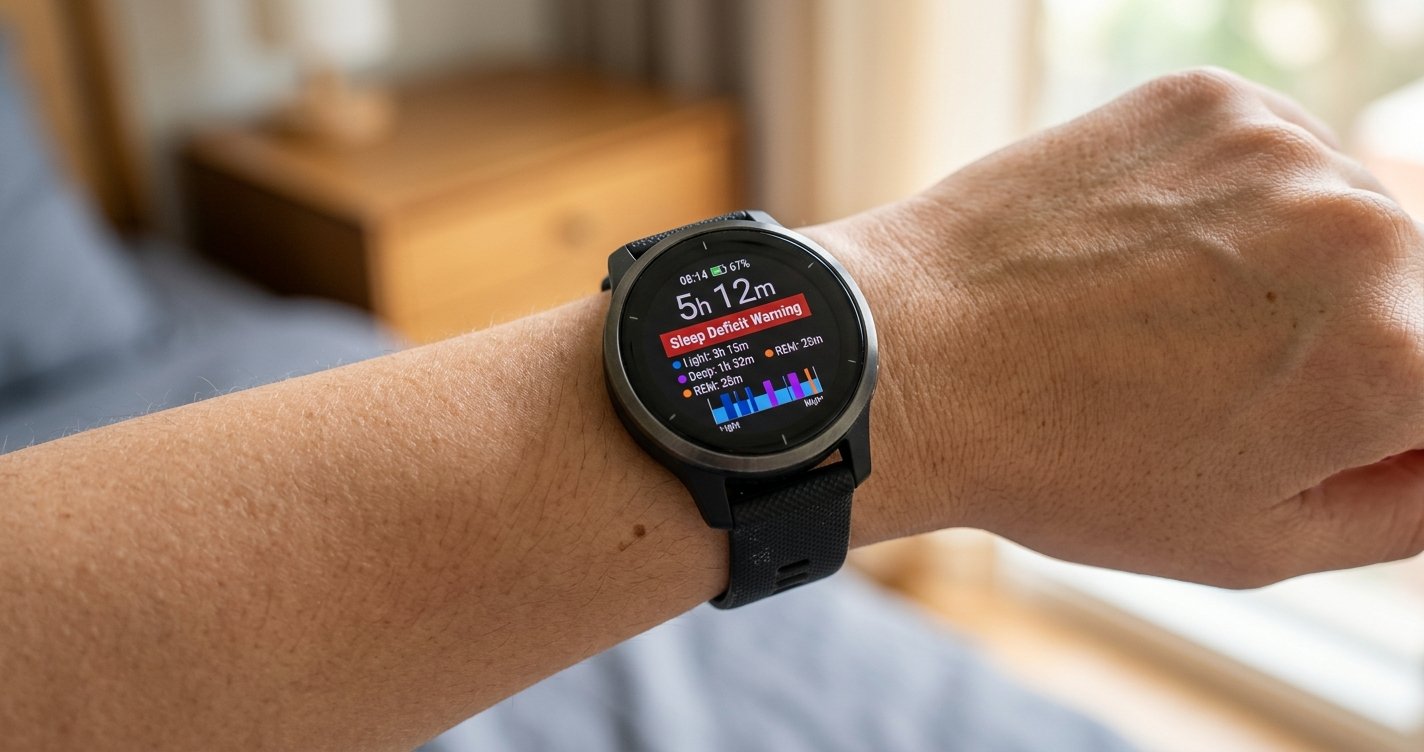
Actionable Strategies to Protect Your Sleep and Longevity
Changing your sleeping habits does not require turning your schedule upside down overnight. Small, sustainable habits can produce profound improvements in both sleep quantity and sleep quality.
1. Establish a Non-Negotiable Wind-Down Buffer
Treat your bedtime with the exact same respect you give an important client meeting. Set a phone alarm 45 minutes before you need to be asleep. Use this window to shut down work laptops, dim fluorescent overhead lighting, and put your phone on “Do Not Disturb.” The blue light emitted by smartphone screens suppresses natural melatonin production, tricking your brain into thinking it is still daytime.
2. Optimize Your Sleeping Environment
Given the tropical climate in the Philippines, room temperature plays a crucial role in sleep quality. Your core body temperature must drop by roughly one to two degrees Fahrenheit to initiate sound sleep. Ensure your bedroom is cool, quiet, and pitch-black. If air conditioning is not always an option, utilize adequate fan circulation and breathable cotton bedsheets.
3. Moderate Late-Day Stimulants
Caffeine has an average half-life of 5 to 7 hours. That second cup of brewed coffee or milk tea at 4:00 PM can keep up to 50% of the active caffeine circulating in your bloodstream by 10:00 PM. Set a strict caffeine curfew around 2:00 PM to protect your restorative deep-sleep cycles.
4. Streamline Your Workouts for Maximum Efficiency
If you are struggling to balance work, family, and sleep, you should not be spending two exhausting hours at a crowded gym. Working with an experienced online fitness coach allows you to replace lengthy, fatiguing gym sessions with laser-focused, 30-to-40-minute home workouts. Shorter, targeted routines give you the physiological benefits of strength training without stealing precious sleeping hours from your night.
Final Thoughts: Invest in Your Lifespan Today
Longevity is not just about adding years to your life; it is about adding quality, energy, and strength to those years. Skimping on sleep is a high-interest loan against your future health. By reclaiming at least seven hours of restful sleep each night, you protect your heart, defend your brain, and preserve your metabolic vitality. -J