

An 8-week 5K training plan for beginners relies on a structured run-walk progression that systematically builds cardiorespiratory endurance without overtaxing your joints. By committing to just three 30-minute sessions per week, any busy professional can safely transition from walking to crossing the finish line of their first fun run.
Taking on your first fun run in the Philippines is an exciting goal, but jumping straight into continuous running often leads to shin splints, heavy fatigue, or early burnout. If you have been looking for a realistic couch to 5k Philippines strategy that fits around long office hours and Manila traffic, you do not need extreme daily mileage. You simply need a consistent, progressive program that respects your body’s recovery capacity.
Why an 8-Week 5K Training Plan for Beginners Works
When starting your fitness journey, consistency beats intensity every single time. Aerobic capacity takes time to develop, and building your endurance systematically protects your lower limbs and connective tissues. Exercise science shows that moderate-intensity continuous exercise significantly improves cardiorespiratory fitness (VO2max) while promoting healthy body composition changes (Kemmler et al., 2015).
Free for readers: get Bye-Bye Bilbil, my free 6-step belly fat guide.
Furthermore, maintaining cardiorespiratory fitness through structured endurance exercise supports healthy cellular aging over time (Marques et al., 2020). The primary goal of an 8-week timeline is to allow progressive overload without pushing your body past its recovery limits. If you want to understand how gradual training volume increases build lasting strength, check out our guide on progressive overload for runners.
The 8-Week Beginners Running Schedule
This plan is built around 3 workout days per week (for example: Tuesday, Thursday, and Saturday), leaving four days for complete rest or light mobility work. Keep your running pace strictly conversational—if you cannot speak a full sentence while jogging, slow down your pace.
| Week | Primary Training Focus | Run / Walk Ratio | Total Duration |
|---|---|---|---|
| Week 1 | Establishing the habit | 1 min run / 2 min walk (x 8) | 24 mins |
| Week 2 | Extending aerobic effort | 1.5 min run / 2 min walk (x 7) | 24.5 mins |
| Week 3 | Sustaining jog intervals | 2 min run / 2 min walk (x 6) | 24 mins |
| Week 4 | Mid-point stamina push | 3 min run / 2 min walk (x 5) | 25 mins |
| Week 5 | Longer running blocks | 5 min run / 2 min walk (x 3) | 21 mins |
| Week 6 | Building endurance confidence | 8 min run / 2 min walk (x 2) | 20 mins |
| Week 7 | Continuous endurance build | 12 min run / 2 min walk (x 2) | 28 mins |
| Week 8 | Tapering & Race Day | 15 min run / 1 min walk (Early Week) → Race Day! | 30-40 mins |
Phase 1: Weeks 1 to 3 (The Walk-Run Habit)
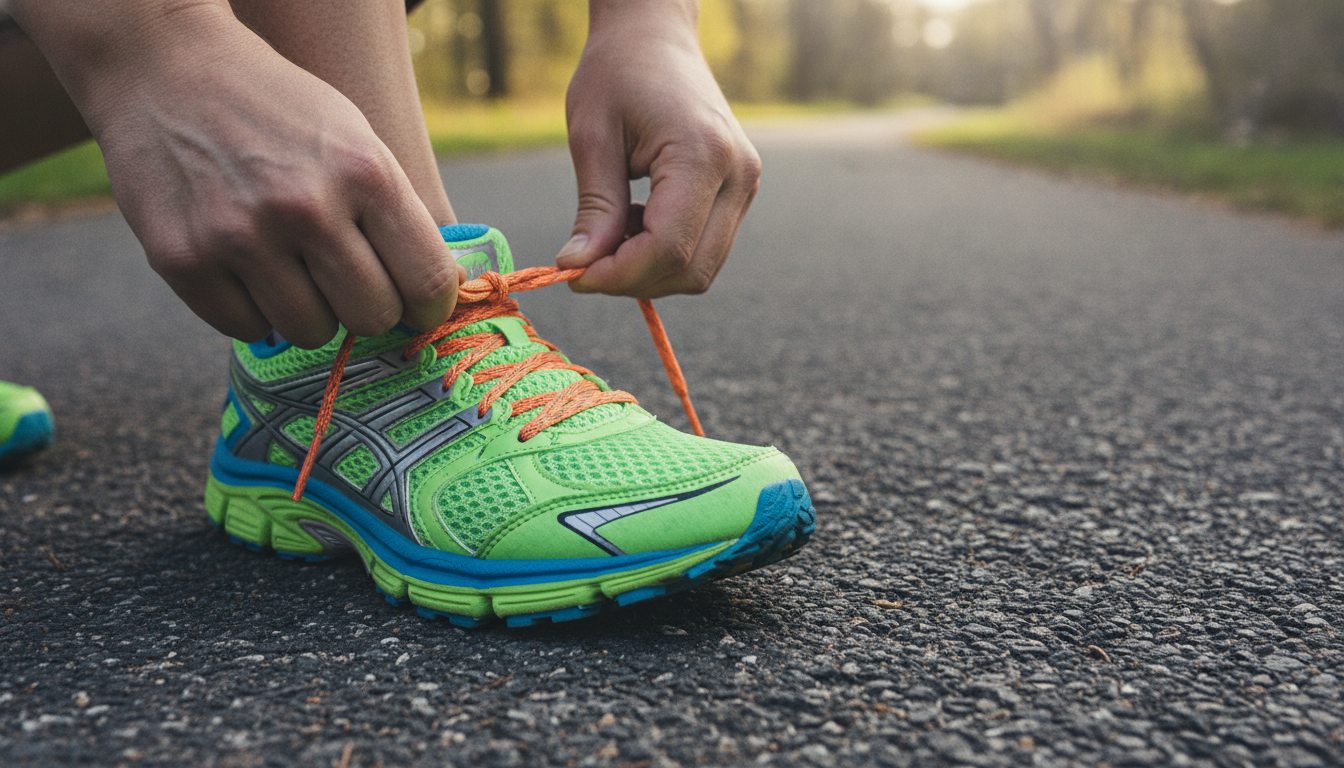
Your first three weeks focus on building routine and waking up your leg muscles. Do not worry about speed. The goal is simply to accumulate minutes on your feet without overwhelming your lungs or ankles. Make sure to wear supportive running shoes and focus on soft, landing footstrikes.
Phase 2: Weeks 4 to 6 (Building Stamina)
During weeks 4 to 6, your continuous running intervals get longer while recovery walking times shrink. You will start feeling stronger during your weekday evening workouts. Pay close attention to how your legs recover between sessions; adjusting your training load based on your energy levels ensures long-term progress (Düking et al., 2020).

Phase 3: Weeks 7 to 8 (Tapering & Race Readiness)
By Week 7, your body has adapted to running continuously for double-digit minutes. Week 8 slightly reduces your training load (tapering) so that your muscles are fully recovered, fully rested, and filled with stored energy when you step onto the starting line on race morning.
Key Training Tips for Your First Fun Run
Training in local tropical conditions requires a few practical adjustments to stay safe and energized:
- Beat the Heat: Hydration and smart scheduling are essential when running outdoors in humid weather. Learn how to adapt your pace and fluid intake in our guide to running in the heat.
- Choose the Right Shoes: You do not need expensive, carbon-plated racing shoes for your first 5K event. A comfortable, well-cushioned daily running shoe is ideal for preventing discomfort.
- Pick an Event Early: Having a fixed date on your calendar creates accountability. Explore our complete listing of upcoming Philippine fun runs to choose your target race.
Race Day Game Plan
On race day morning, keep your routine simple and stress-free:
- Stick to What You Tested: Eat the same light breakfast or pre-workout snack you consumed during your training weeks. Never try new foods or drinks on race morning.
- Pace Yourself at the Start Line: The race environment, music, and crowds will tempt you to start fast. Resist the urge and stick strictly to your conversational warm-up pace for the first two kilometers.
- Cross the Finish Line with Pride: Walk when you need to, enjoy the energy of the crowd, and collect your finisher medal.
Pick a race or event at https://bodybycoachjeff.com/events/ and train for it.
References
- Düking P, Zinner C, Reed JL, Holmberg HC, Sperlich B. 2020. Predefined vs data-guided training prescription based on autonomic nervous system variation: A systematic review. Scandinavian Journal of Medicine & Science in Sports. https://doi.org/10.1111/sms.13802
- Kemmler W, Lell M, Scharf M, Fraunberger L, von Stengel S. 2015. High versus moderate intense running exercise – effects on cardiometabolic risk-factors in untrained males. Deutsche Medizinische Wochenschrift. https://doi.org/10.1055/s-0040-100423
- Marques A, Gouveia ÉR, Peralta M, Martins J, Venturini J, Henriques-Neto D, Sarmento H. 2020. Cardiorespiratory fitness and telomere length: a systematic review. Journal of Sports Sciences. https://doi.org/10.1080/02640414.2020.1754739
Coach's Stack
The supplements, gear and equipment Coach Jeff actually uses and recommends to clients.

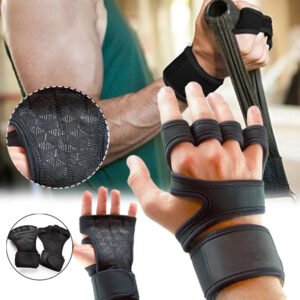


Body by Coach Jeff may earn a commission when you buy through these links, at no extra cost to you. Supplements are not a substitute for a balanced diet; check with your doctor if you have a medical condition or take medication. Visit the shop →