

Most healthy adults need at least 0.8 grams of protein per kilogram of body weight daily for basic physiological survival, but active individuals aiming for fat loss or muscle growth usually require between 1.2 and 2.0 grams per kilogram. Determining your target daily protein intake depends heavily on your current body weight, workout intensity, and overall personal health goals.
Whether you are trying to lean down, build a bigger chest, or simply stay healthy as you get older, protein is the main structural macronutrient your body needs. A widely cited guide on healthline.com outlines general daily requirements, but applying those numbers to a typical Filipino diet of rice, ulam, and fast food takes a bit of localized planning. As an ISSA-certified nutritionist and physique coach, I break down the exact science of daily protein intake so you can stop guessing and start seeing real results.
Protein Intake Guidelines by Fitness Goal
The standard Recommended Dietary Allowance (RDA) of 0.8 g/kg body weight was designed to prevent nutritional deficiency in sedentary individuals, not to optimize muscle mass, recovery, or metabolic health. When you start working out or cutting calories, your protein requirements increase significantly.
Free for readers: get Pinoy Protein Plate, my free protein-first guide for Filipinos.
| Goal / Activity Level | Recommended Protein (g/kg/day) | Daily Target for a 60 kg Individual |
|---|---|---|
| Sedentary Baseline | 0.8 g/kg | 48 grams |
| Healthy Aging / Active Adults | 1.0 – 1.2 g/kg | 60 – 72 grams |
| Weight Loss / Fat Loss | 1.2 – 1.6 g/kg | 72 – 96 grams |
| Muscle Building & Strength Training | 1.6 – 2.2 g/kg | 96 – 132 grams |
Debunking 4 Common Protein Myths for Filipinos
Myth 1: The standard 0.8g per kg rule is ideal for everyone
Fact: 0.8 grams per kilogram is merely the baseline minimum to avoid ill health, not the optimal intake for performance or body composition. Research shows that higher protein intakes—ranging from 1.2 to 1.6 g/kg daily—help preserve lean muscle mass, support metabolic function, and improve satiety during weight management (Phillips et al., 2016; Wu et al., 2016). If you are active, aiming higher than the bare minimum baseline is critical.
Myth 2: 100 grams of chicken breast equals 100 grams of protein
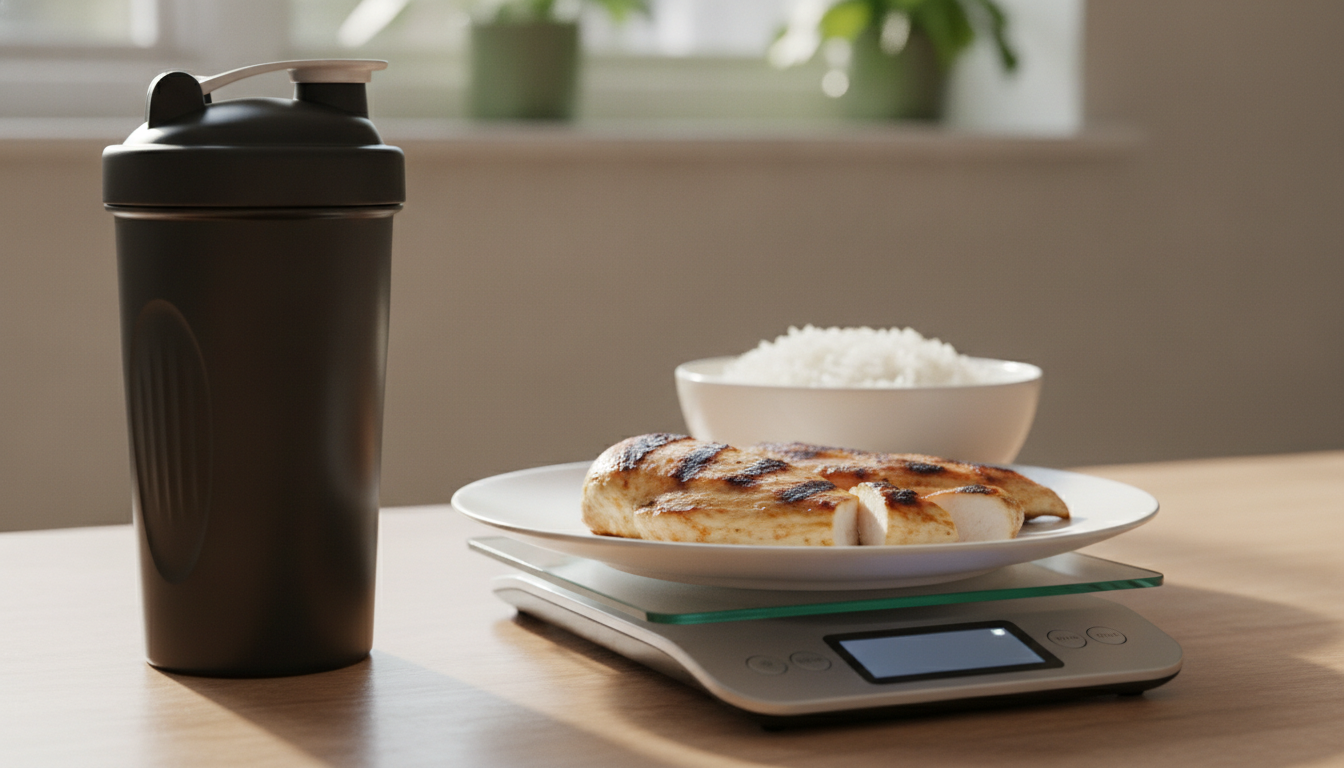
Fact: Total food weight is not the same as protein content. Raw chicken breast contains water, fat, and connective tissue; 100 grams of raw chicken breast actually provides around 20 to 23 grams of actual protein. A single large egg weighs around 50 grams but delivers roughly 6 grams of pure protein. When tracking macros, always look at the macronutrient content on the nutrition facts panel or reliable food databases, not just the physical weight on a kitchen scale.

Myth 3: High protein intake ruins healthy kidneys
Fact: In individuals with healthy, fully functioning kidneys, higher dietary protein consumption has not been shown to cause renal damage (Phillips et al., 2016). Nitrogen balance studies confirm that long-term intake up to 2.0 grams per kilogram of body weight is safe for healthy adults (Wu et al., 2016). However, if you have a pre-existing medical kidney condition, you should always consult your physician before making significant dietary alterations.
Myth 4: You cannot hit high protein targets on a Filipino diet
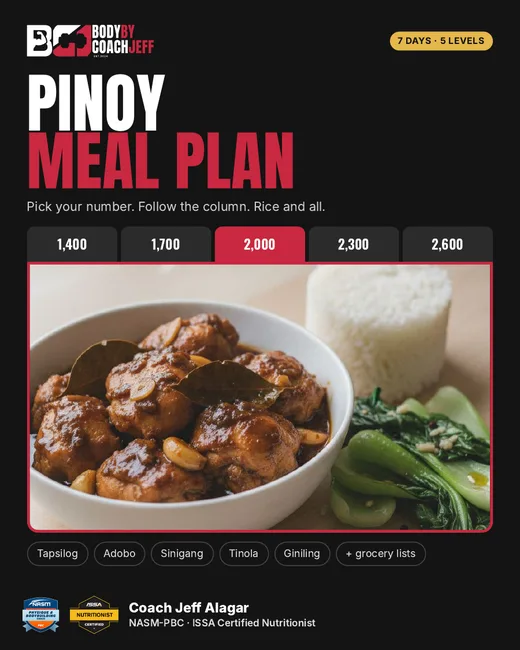
Fact: Many people assume you need expensive imported steaks or endless scoops of supplements to hit your numbers. In reality, everyday Pinoy food items like eggs, canned tuna, chicken breast, tokwa (tofu), and tilapia are rich protein sources. Pair your ulam smartly with your carbohydrates. Even if you love rice, you don’t need to cut it out completely; learn more about balancing carbs in our guide on whether white rice is bad for weight loss.
How to Reach Your Daily Protein Target with Local Foods
To make your target easy to digest (pun intended), break your intake down across your regular meals. Instead of trying to eat 100 grams of protein in one sitting, distribute it evenly throughout the day to maximize muscle protein synthesis.
- Breakfast: 3 whole eggs or egg whites combined with tokwa (approx. 20–25g protein)
- Lunch: 150g skinless chicken breast or grilled tilapia paired with steamed rice (approx. 30–35g protein)
- Pre-Workout or Snack: A quality protein supplement or canned tuna in water (approx. 20–25g protein). Check out our recommendations on a solid pre-workout meal to keep your sessions energized.
- Dinner: 150g lean pork loin or lean beef sirloin with vegetables (approx. 30g protein)
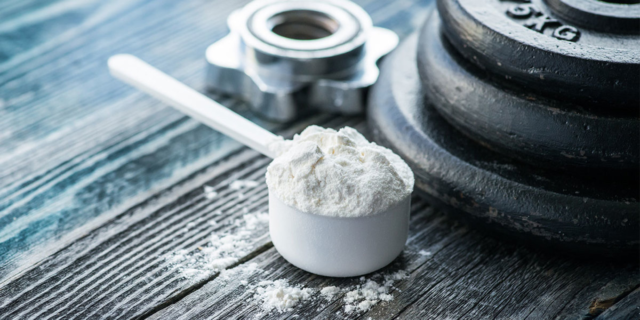
If you find it difficult to eat enough whole food protein due to a busy schedule, adding a scoop of whey protein powder can be a convenient shortcut. Read our detailed guide on selecting the best whey protein in the Philippines to find options that fit your budget and taste.
Building a lean, strong body doesn’t require extreme restriction—it requires a smart, sustainable plan tailored to your lifestyle. Ready to stop guessing your macros and get a personalized training and nutrition plan built around your favorite local foods? Apply for 1-on-1 online coaching with Coach Jeff today.
Lezzgo!
References
- Wu G, Bazer FW, Dai Z, Li D, Wang J, Wu Z. Dietary protein intake and human health. Food Funct. 2016;7(3):1251-1265. https://doi.org/10.1039/c5fo01530h
- Phillips SM, Chevalier S, Leidy HJ. Protein “requirements” beyond the RDA: implications for optimizing health. Appl Physiol Nutr Metab. 2016;41(5):565-572. https://doi.org/10.1139/apnm-2015-0550
- Hector AJ, Phillips SM. Protein Recommendations for Weight Loss in Elite Athletes: A Focus on Body Composition and Performance. Int J Sport Nutr Exerc Metab. 2018;28(2):170-177. https://doi.org/10.1123/ijsnem.2017-0273
- Rogeri PS, Zanella R Jr, Martins GL, et al. Strategies to Prevent Sarcopenia in the Aging Process: Role of Protein Intake and Exercise. Nutrients. 2021;14(1):52. https://doi.org/10.3390/nu14010052
Coach's Stack
The supplements, gear and equipment Coach Jeff actually uses and recommends to clients.


Body by Coach Jeff may earn a commission when you buy through these links, at no extra cost to you. Supplements are not a substitute for a balanced diet; check with your doctor if you have a medical condition or take medication. Visit the shop →