

You finally got the promotion. Or the new job offer you couldn’t say no to. Or your company restructured and suddenly you’re doing the work of two people.
The first week feels exciting. By week three, you’re logging off at 9 p.m., eating dinner from a delivery app in front of your laptop, and your gym bag hasn’t left the car since the announcement.
I’ve watched this happen to one of my own online coaching clients. They got promoted, and they were proud of it. So was I. A few weeks in, the longer hours started eating their workouts. Then the guilt kicked in. They felt bad every time they missed a session, so they started avoiding check-ins. Meals stopped getting logged. Eventually, they white-flagged and stopped coaching altogether.
Free for readers: get Bye-Bye Bilbil, my free 6-step belly fat guide.
They didn’t quit because they stopped caring. They quit because their routine was built for a life that no longer existed, and it wasn’t adjusted in time.
The good news: you don’t need to choose between your career and your body. You need a routine designed for the season you’re actually in.
Why a Career Change Hits Your Fitness So Hard
A promotion or new role doesn’t just add hours. It changes everything your old routine depended on:
- Your schedule moves. The 6 p.m. gym slot is now a 6 p.m. meeting.
- Your stress goes up. Higher responsibility means more mental load, poorer sleep, and more cravings.
- Your decision energy runs out. After a full day of decisions at work, “What should I eat?” and “Should I train today?” feel impossible.
- Your identity shifts. You start seeing yourself as “the busy one,” and busy people, you tell yourself, don’t have time to work out.
That last one is the real trap. Once you accept “I’m too busy for fitness right now,” a few skipped weeks turn into a few lost months.
The Real Reason My Client White-Flagged
The schedule wasn’t what broke them. The guilt was. Here’s how the spiral played out:
- The promotion brought longer hours, and one or two workouts a week got missed.
- Missed workouts made them feel like they were failing the program.
- Feeling bad made them avoid check-ins, just to skip the conversation.
- No check-ins meant no adjustments, so the plan stayed built for their old schedule.
- An unrealistic plan led to more misses and more guilt.
- They white-flagged.
Every step made sense in the moment. Together, they took a motivated client out of the game in a matter of weeks.
Looking back, the fix was never more discipline. It was a plan that shrank to fit their new life, and a coach who heard about it early. That’s exactly what the steps below are built for.
Step 1: Lower the Bar, Don’t Remove It
The biggest mistake I see is the all-or-nothing mindset: “If I can’t do my full one-hour workout, I’ll skip it.”
During a demanding season, your goal changes from progress at all costs to don’t lose the habit. Set two versions of your workout:
- Full version (45–60 minutes): for lighter days and weekends.
- Minimum version (15–20 minutes): for OT days, deadline weeks, and travel.
A minimum session can be as simple as:
- Goblet squats or bodyweight squats, 3 sets
- Push-ups (incline on a desk if needed), 3 sets
- Dumbbell or backpack rows, 3 sets
- Plank, 3 rounds of 30–45 seconds
Done. You kept your streak, you kept your strength, and most importantly, you kept your identity as someone who trains.

Step 2: Book Your Workouts Like Meetings
If your calendar runs your life now, put your training in it.
Pick your non-negotiable slots for the week, even just three, and block them the same way you’d block a client call. Early mornings tend to be the most protected time, because OT usually eats into evenings, not 6 a.m.
A few options that work for busy professionals:
- Before work: train before the emails start. Lay out your clothes the night before.
- Lunch break: 20 minutes at a condo gym or a nearby gym, or a brisk walk if lifting isn’t possible.
- WFH days: use your saved commute time. The 1–2 hours you’d spend in traffic is your new training window.
If a meeting overrides a session, don’t cancel it. Reschedule it, just like you’d reschedule a meeting.
Step 3: Simplify Your Food Before You Try to Perfect It
When you’re overworked, nutrition usually falls apart first. Late dinners, office merienda, milk tea after a long call, and weekend “I deserve this” meals add up fast.
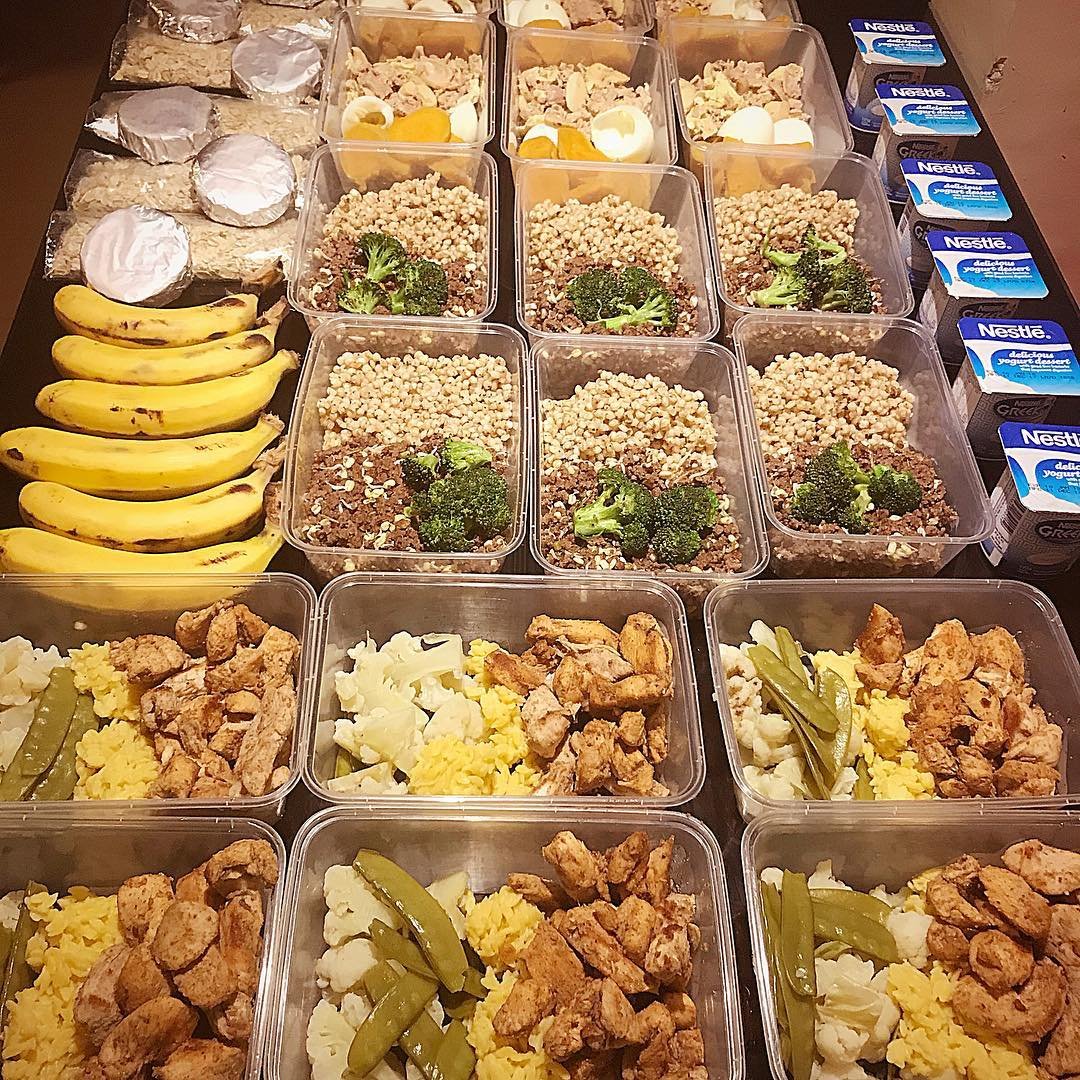
You don’t need a complicated diet. You need a few defaults that make good choices automatic:
- Protein at every meal. Eggs, chicken, fish, tofu, Greek yogurt. Protein keeps you full and helps protect your muscle while life is hectic. Not sure how much you need? Try my protein calculator.
- Control your rice, don’t fear it. One cup at most meals is a practical starting point for most of my clients. Adjust based on your goals and activity.
- Pack or pre-order lunch. Decide your lunch before you’re hungry. Hungry decisions at 1 p.m. are rarely good ones.
- Keep a “desk drawer rescue kit.” Protein bars, nuts, boiled eggs, or a shaker with whey, so the vending machine isn’t your only option during OT.
- Watch your drinks. Sweet coffee, milk tea, and after-work drinks are some of the easiest calories to cut.
When you can’t control the schedule, control the default. If you want to see where your calories, protein and rice actually land, take the free Know Your Numbers quiz.
Step 4: Protect Your Sleep Like It’s Part of Your Job
Overtime often steals sleep before it steals workouts. And poor sleep quietly sabotages everything: your hunger, your mood, your energy to train, and your performance at work.
You won’t always get eight hours. But you can:
- Set a consistent wake-up time, even on weekends.
- Stop checking work messages 30–60 minutes before bed when possible.
- Avoid caffeine late in the afternoon, especially on OT nights.
- Keep your room dark and cool.
Think of sleep as recovery for both your body and your career. A well-rested version of you is a better lead, manager, and lifter.
Step 5: Move More Outside the Gym
On your busiest weeks, your daily steps matter more than you think. Walking keeps your energy up, helps manage stress, and supports fat loss without taking much recovery.
Simple ways to add movement:
- Take calls while walking.
- Use the stairs at the office or your condo.
- Get off a stop early or walk part of your commute.
- Do a 10-minute walk after lunch or dinner.
It’s not as exciting as a heavy workout, but consistent daily movement is what keeps busy professionals from slowly drifting off track.

Step 6: Talk to Yourself Like a Coach, Not a Critic
Some weeks you’ll miss sessions. Some days you’ll eat the office pizza. That’s not failure. That’s real life during a career transition.
The question isn’t “Was this week perfect?” It’s “Did I keep showing up in some way?”
A good week during a demanding season might look like:
- 3 workouts (even if two were minimum versions)
- Protein at most meals
- 7,000–10,000 steps on most days
- Reasonable sleep on most nights
That’s a win. Stack enough of those weeks and you’ll come out of this career season stronger, not softer.
When It Helps to Have a Coach
If you’ve just stepped into a bigger role, the last thing you need is another thing to figure out on your own. That’s exactly where coaching helps.
If my client had told me in week two that work had taken over, we would have switched to minimum sessions, simplified the meal plan and kept going. Silence is what ended it, not the promotion. So if you’re in a program and feeling behind, say it. Feeling bad is a signal to adjust the plan, not to quit.
With my online coaching, my clients get a program built around their real schedule, including OT weeks, travel, and shifting work hours. Workouts adjust when life gets busy, meal plans are built around Filipino food you actually eat, and you get check-ins and accountability through WhatsApp, so you’re never guessing what to do next. If you’d rather start on your own first, my Built For Busy guide was made for exactly this season.
Your career is moving forward. Your fitness can move with it.
Ready to build a routine that fits your new schedule? Apply for online coaching with Body by Coach Jeff.
Quick Recap
- Career changes break routines built for your old life. Rebuild for your new one.
- Have a full workout and a 15–20 minute minimum version.
- Schedule workouts in your calendar like meetings.
- Simplify food with protein-first defaults and pre-planned lunches.
- Protect sleep and keep your daily steps up.
- Judge your week by consistency, not perfection.
- Feeling behind? Tell your coach. Adjust the plan, don’t quit.
Coach's Stack
The supplements, gear and equipment Coach Jeff actually uses and recommends to clients.




Body by Coach Jeff may earn a commission when you buy through these links, at no extra cost to you. Supplements are not a substitute for a balanced diet; check with your doctor if you have a medical condition or take medication. Visit the shop →