
Short answer: AI is great at giving fitness information, but information was never the problem. Most people already know they should eat more protein and train consistently. An online coach turns that into results by building a plan around your real life, adjusting it every week from your actual data, checking your form, and holding you accountable when motivation runs out. AI answers questions. A coach owns your outcome.
Key takeaways
- AI chatbots are fast and convenient, but studies show their fitness and nutrition advice is often incomplete and inconsistent, and they miss safety factors like medications and health conditions.
- Results come from adherence, not from having the “perfect” plan. Weight loss research keeps linking coaching contact and accountability to better results than self-directed plans.
- A coach does four things AI can’t: adjust from real data, check your execution, hold you accountable, and take responsibility for the outcome.
- The smartest approach in 2027 isn’t coach or AI. It’s a coach who uses good systems, with you using AI for quick questions and recipes in between.
Information was never the problem
If a free plan were enough, everyone with a phone would already be in the best shape of their life. You could Google a workout in 2015. You could download a free meal plan in 2018. Today you can ask an AI chatbot and get a full 12-week program with macros in ten seconds.
And yet most people still start over every January.
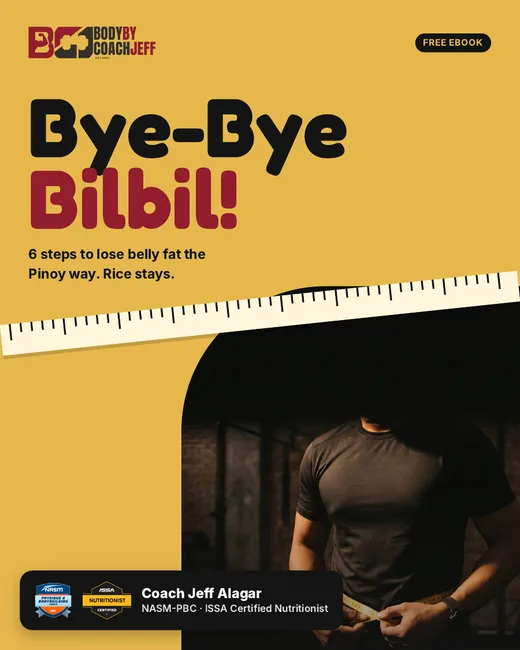
Free for readers: get Bye-Bye Bilbil, my free 6-step belly fat guide.

The gap isn’t knowledge. It’s the space between knowing and doing, week after week, for months, while life keeps happening. Overtime at work. A family party with lechon and pancit. A night shift rotation. A week of bad sleep. A plateau that makes you think nothing works.
That gap is exactly where coaching lives. (It’s the same reason free workouts usually fail.)
What AI actually does well (credit where it’s due)
To be fair, AI tools are useful, and I’d never tell you to stop using them. They’re good for:
- Explaining concepts fast: what a calorie deficit is, what progressive overload means, why protein matters.
- Recipe ideas and swaps: “Give me a high-protein version of chicken adobo.”
- Quick lookups while you’re shopping or eating out.
- Motivation and journaling prompts when you want to think something through.
Think of AI as a very fast, very confident library. The problem is what happens when you treat a library like a coach.
What the research says about AI fitness and nutrition advice
Researchers have started testing AI chatbots against professional standards, and the results are a reality check.
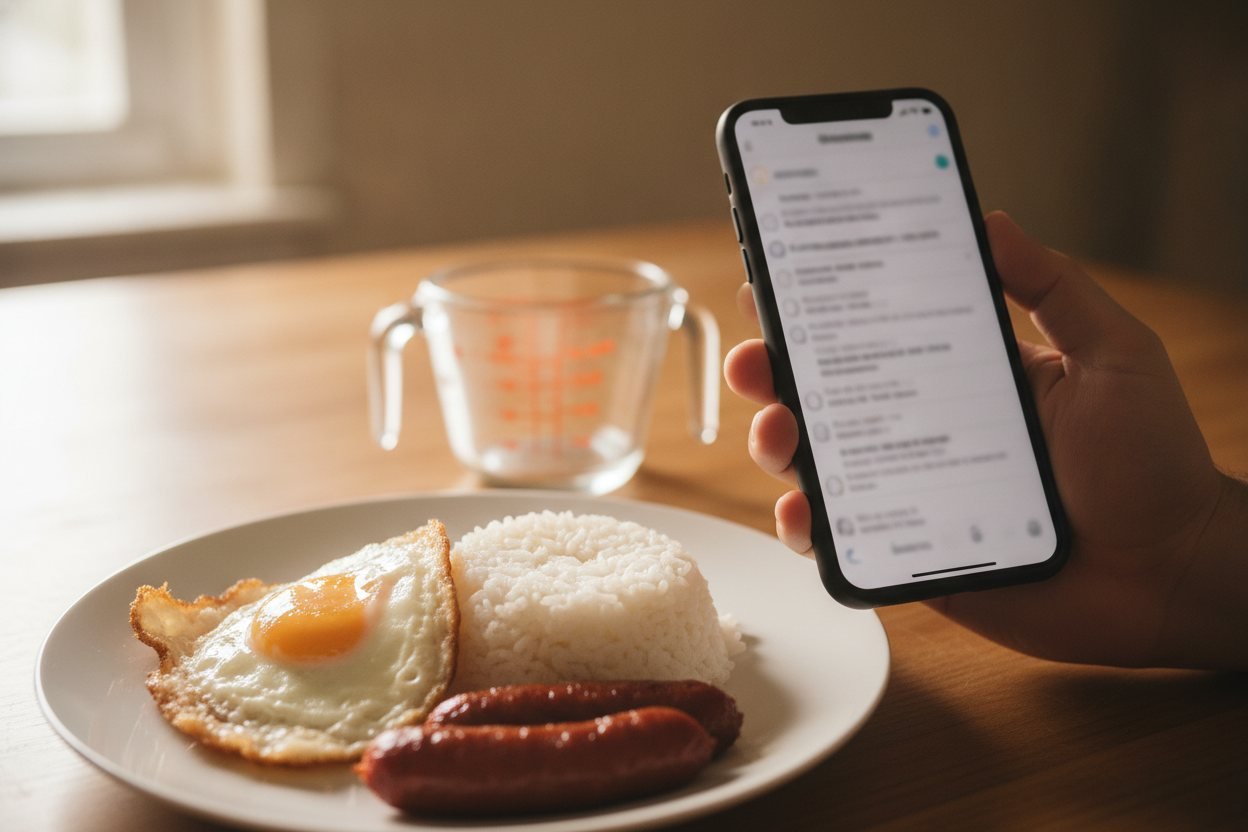
- Exercise plans are incomplete. A 2024 study in JMIR Medical Education asked ChatGPT for exercise recommendations across 26 populations, from healthy adults to people with chronic conditions. Its answers contained only about 41% of what a gold-standard exercise prescription should include. What it did say was mostly accurate, but it often left out key details and didn’t account for things like how medications interact with exercise.
- Nutrition accuracy varies a lot. A 2025 study in PLOS ONE tested ChatGPT, Gemini and Claude on sports nutrition. Accuracy ranged from roughly 31% to 74% depending on the chatbot, and the authors called it moderate at best and inconsistent between models, recommending tailored advice from qualified professionals.
- Better prompts help, but you need to know what to ask. Several studies found AI plans improved when users gave more detailed information. That’s the catch: the people who know which details matter are usually the people who need a coach least.
AI also has a problem nobody talks about: it sounds equally confident when it’s wrong. A beginner can’t tell a solid recommendation from a made-up one.
What the research says about coaching and accountability
On the other side, the evidence for human support is consistent:
- In a two-year trial, adults who received remote coaching by phone, web and email lost an average of 10.1 lb, compared with 1.7 lb for people following a self-directed plan.
- A retrospective analysis of a 6-month weight loss program in the Journal of Medical Internet Research found that attending one-on-one expert coaching sessions was one of the strongest predictors of weight loss.
- Reviews of accountability in weight loss programs show that having a coach follow up beyond your own motivation improves adherence, and adherence is what drives long-term results.
The pattern is simple: plans don’t fail on paper. They fail in week three, when no one is checking in.
7 things a coach does that AI can’t
1. Builds the plan around your actual life, not an average person
AI gives you a plan for a statistical person. A coach builds one for you: your schedule, your work shifts, your kitchen, your budget, your injuries, your training history and the food you actually eat. An OFW in Dubai working six days a week needs a different setup from a Makati employee with a gym in the building, even if their goal is the same.
2. Adjusts from real data every week
The first plan is just a starting point. Real progress comes from adjustments: your weight trend, your measurements, your energy, your sleep, your steps, your training numbers. When you plateau, a coach knows whether to change calories, adjust training volume, fix your sleep or simply wait one more week because water retention is hiding your fat loss.
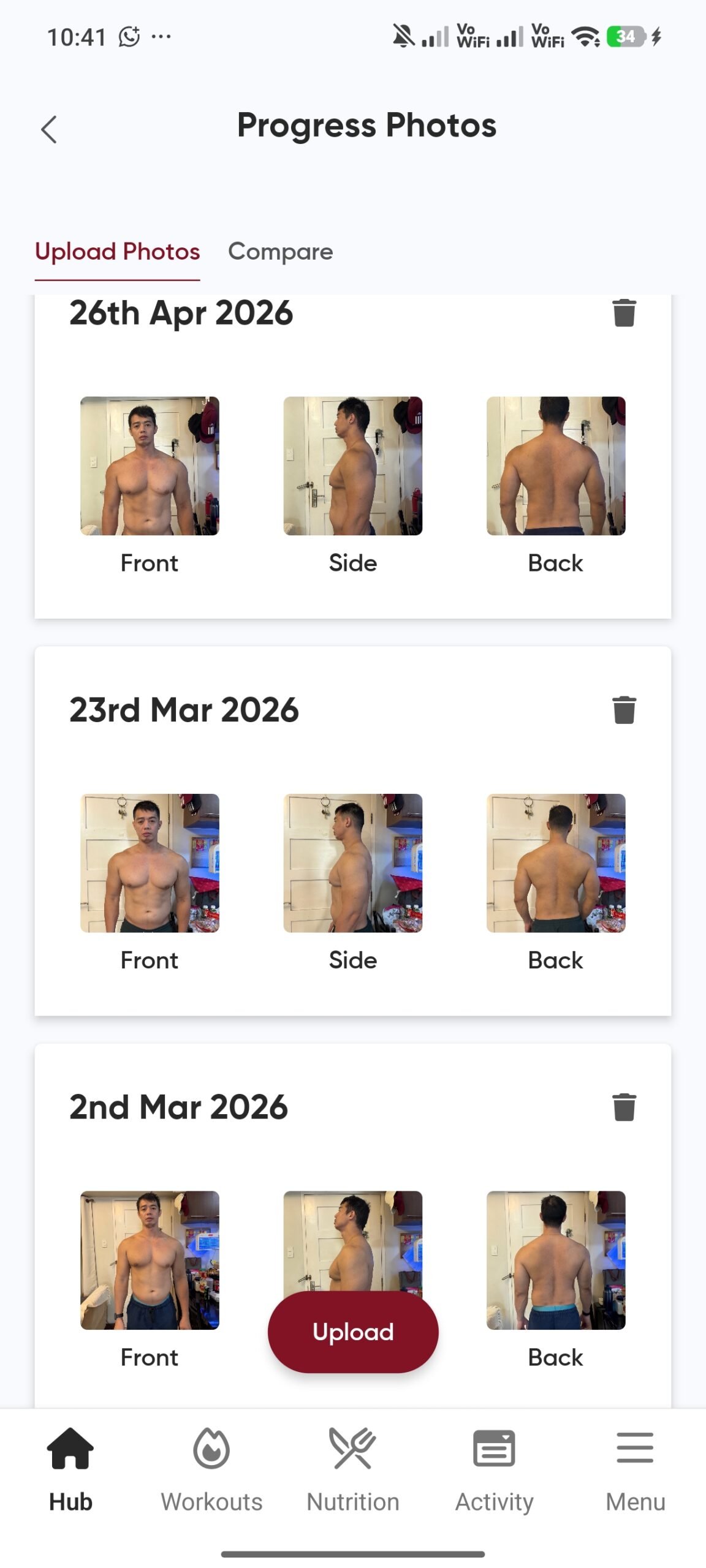
AI only knows what you remember to tell it, and it forgets context between conversations. A coach sees the whole history.
3. Checks your execution, not just your intentions
You can follow a perfect program with bad form and get injured, or follow a perfect meal plan with “estimated” portions that are 400 calories off. A coach reviews your form videos, your food logs and your check-ins and catches what you can’t see yourself.
4. Holds you accountable when motivation runs out
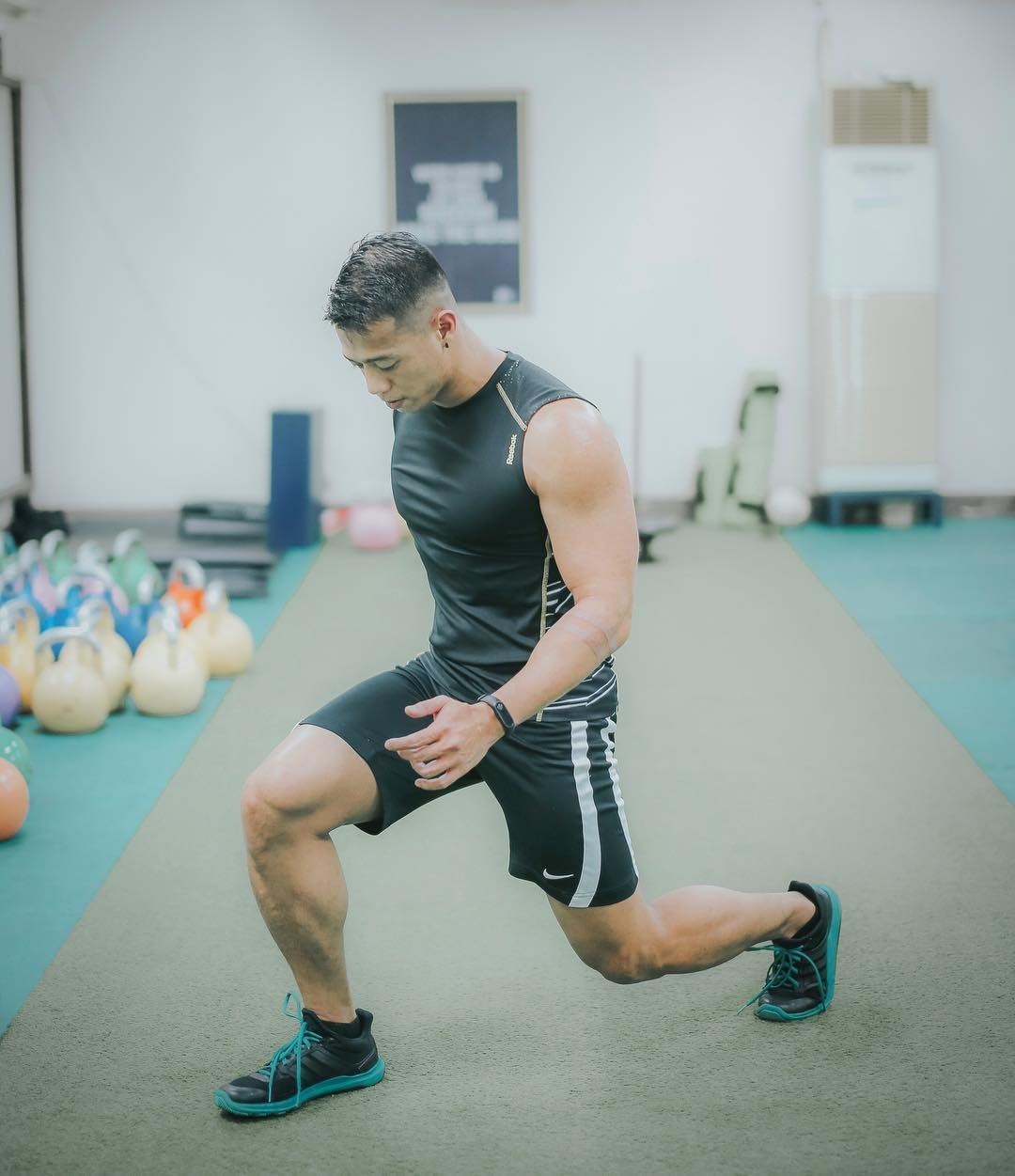
Motivation is high in week one and almost gone by week four. That’s normal. What keeps people going is knowing someone will look at their numbers on Friday. You can close an AI chat and nobody notices. Skip a check-in with your coach and you’ll hear about it.
5. Understands your food culture
This one matters a lot for Filipinos. Rice is a staple, family meals are shared, and “kain na” is not optional. Generic AI plans often tell you to cut rice completely or swap your ulam for salmon and quinoa you can’t buy at the palengke. That works for two weeks.
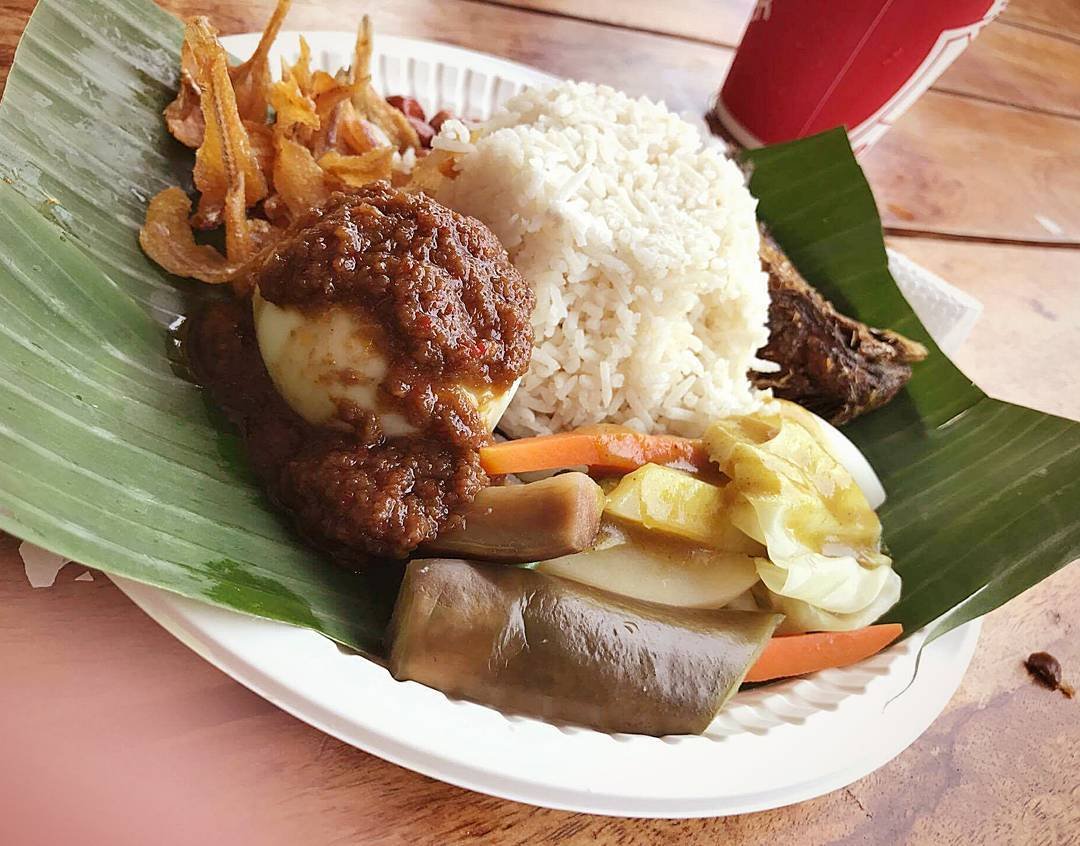
A good coach knows there’s always a working approach with rice, builds your plan around local food you already eat (the Pinggang Pinoy is a good starting point), and teaches you how to handle fiestas, birthdays and pasalubong without throwing away your progress.
6. Spots red flags and knows when to refer you
A certified coach screens your health history before programming anything. Joint pain, high blood pressure, medications, past injuries, a history of extreme dieting: these change what’s safe for you. AI can’t examine you, and studies show it often skips these considerations. A coach knows when to modify, and when to tell you to see a doctor first.
7. Takes responsibility for the result
This is the biggest difference. AI has no stake in whether you reach your goal. A coach’s reputation depends on it. That changes the quality of attention you get.
Where AI nutrition advice usually goes wrong
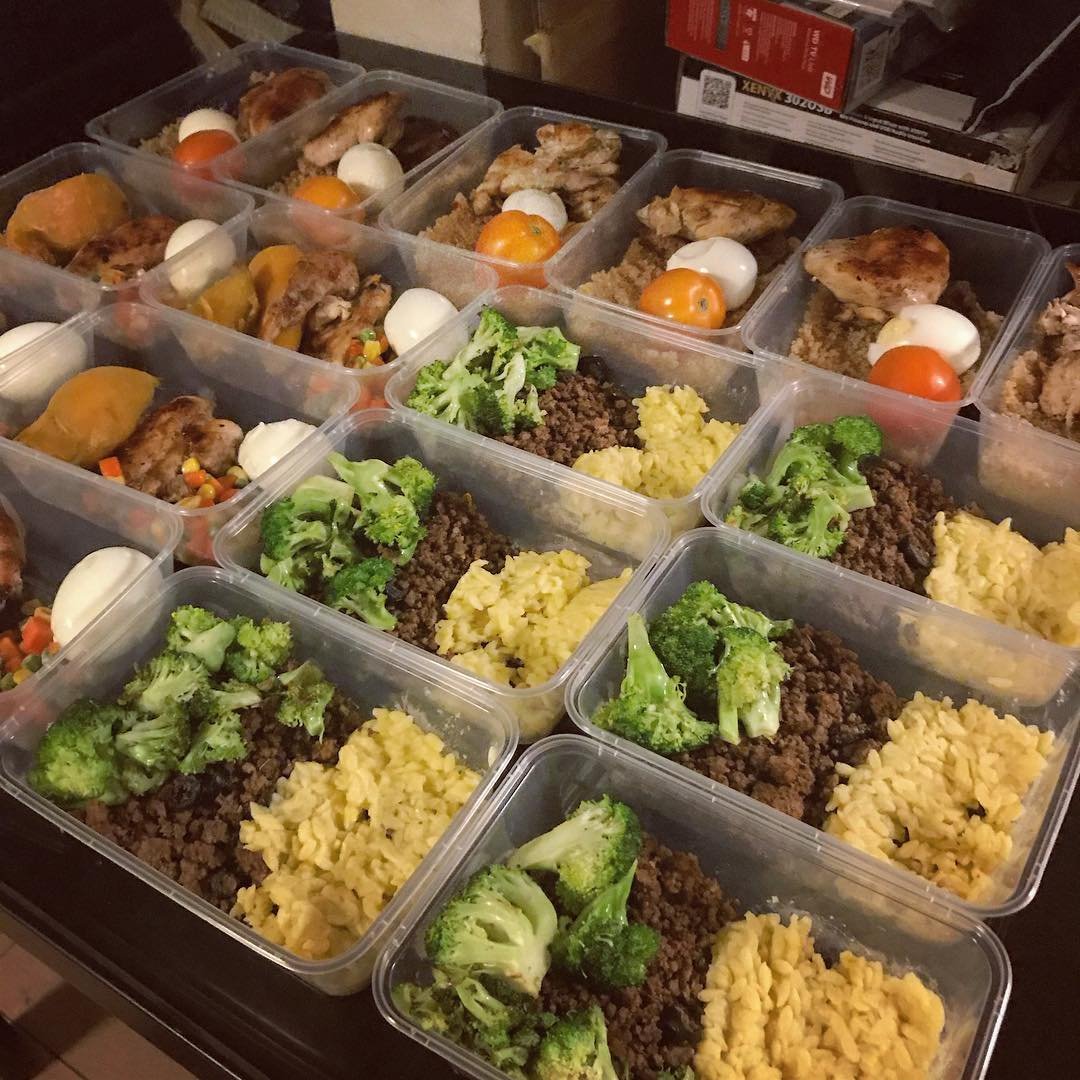
- Calorie targets with no follow-up. AI (or a calculator) can give you a starting number, but your real maintenance only shows up after a few weeks of tracking. Without adjustment, the number is a guess.
- Portion blindness. A cup of cooked rice is roughly 200 calories. A heaping “one serving” from the rice cooker can easily be double that. AI can’t see your plate.
- One-size-fits-all rules. “No carbs after 6 PM” or “cut rice completely” might sound strict and serious, but they’re often unnecessary and hard to sustain.
- Supplement guesswork. AI may recommend supplements without knowing what you already take, what’s available near you, or what interacts with your medications.
- No relationship with your habits. Nutrition success is about the two or three habits that matter most for you right now. AI gives you a full rulebook on day one.
Where AI workout plans usually go wrong
- No real progression. A program is only as good as how it progresses. AI can write week 1 to week 12, but it can’t see that you stalled on week 5 or that your knee hurts on lunges.
- Too much or too little volume. Beginners get overloaded, experienced lifters get under-challenged.
- No form feedback. The most common cause of stalled progress and nagging pain is technique, and you can’t fix what nobody sees.
- Ignores your setup. Condo gym with dumbbells up to 25 kg? Hotel gym on a work trip? Home workouts during a busy month? A coach adapts the program. AI needs you to know what to ask.
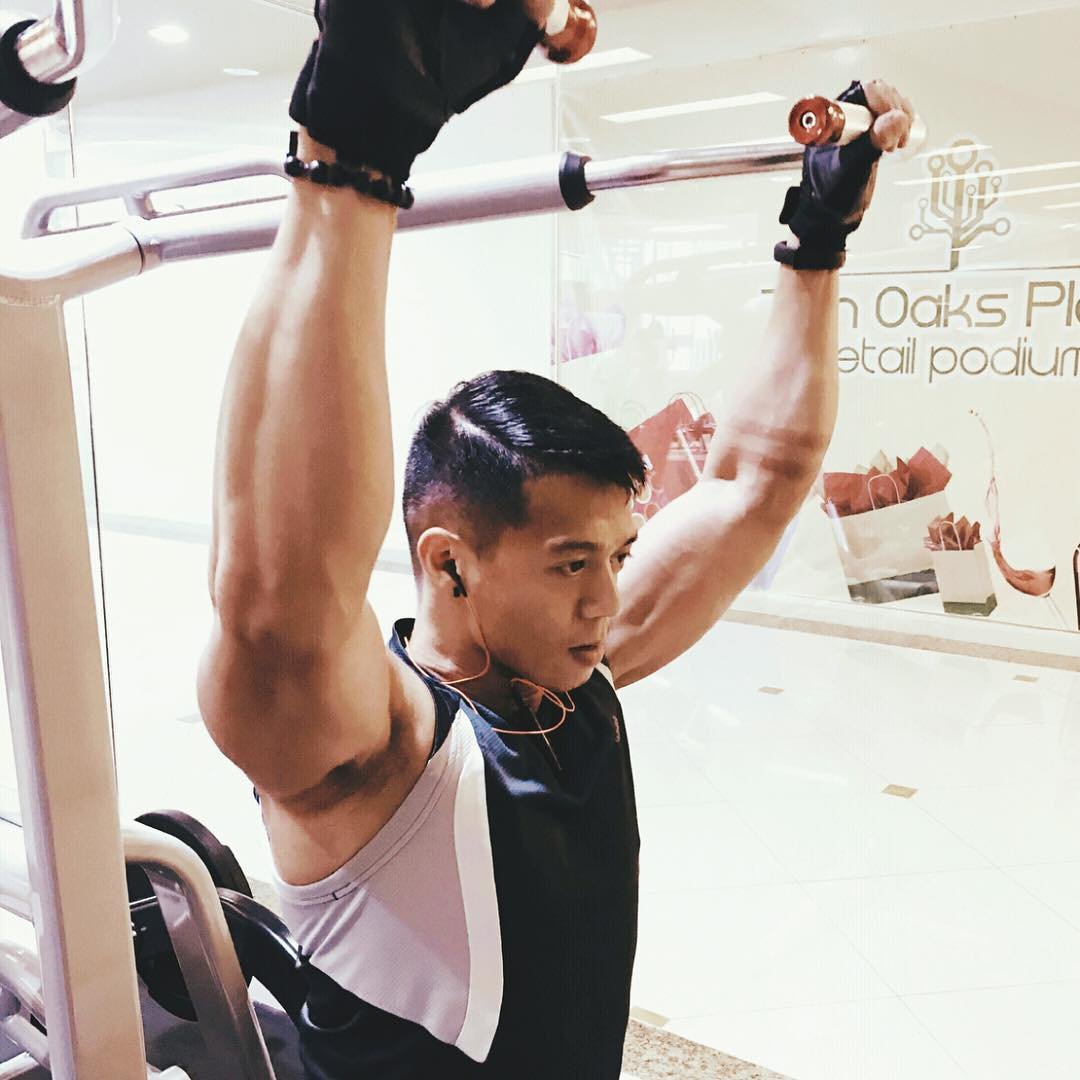
AI chatbot vs fitness app vs gym trainer vs online coach
| AI chatbot | Fitness app | In-gym personal trainer | Online coach | |
|---|---|---|---|---|
| Personalized to your life | Partly (only what you tell it) | Template-based | Yes | Yes |
| Adjusts from your weekly data | No | Basic, automated | Sometimes | Yes, every check-in |
| Nutrition included | Generic | Often generic | Often extra or not included | Yes, built around your food |
| Form feedback | No | No | Yes, live | Yes, by video review |
| Accountability | None | Notifications | During sessions | Weekly check-ins + chat |
| Health screening | No | No | Sometimes | Yes, at onboarding |
| Fits travel, shifts, OFW time zones | Yes | Yes | No (fixed location) | Yes |
| Who owns the result | You alone | You alone | Shared | Shared with your coach |
How to use AI the right way (with a coach)
The best clients in 2027 use both. Here’s how I recommend it:
- Let your coach set the plan. Your calories, macros and program come from your assessment and data, not from a chatbot.
- Use AI for the in-between stuff. Recipe ideas that fit your macros, grocery lists, “what should I order at this restaurant” questions.
- Run big changes past your coach first. If AI suggests a new diet, a new supplement or a new training split, ask before you switch.
- Bring AI answers to your coach. If something you read confuses you, send it over. Sorting good information from bad is part of the job.
Who probably doesn’t need a coach
Honesty builds trust, so here it is. You may not need a coach if:
- You’ve already reached and maintained a goal on your own for a year or more.
- You know how to track food accurately, progress your training and adjust when you plateau.
- You’re consistent without outside accountability.
If that’s you, a free plan or an AI tool might be enough. For everyone else, especially busy professionals, OFWs and anyone who’s “started over” more than twice, a coach is usually the shortcut.
How to choose a good online coach
Look for:
- Recognized certifications in both training and nutrition (for example NASM, ISSA, ACE)
- A proper onboarding: health screening, assessment and goal setting before any plan
- A custom workout program and a custom meal plan, not a PDF sent to everyone
- Regular, structured check-ins with real feedback
- Real client results you can verify
- Clear rules: contract length, what happens if you travel, how to reach your coach
Red flags:
- Same plan for every client
- “Lose 10 kg in 2 weeks” promises
- No nutrition guidance, or “just cut rice”
- No check-ins, or check-ins with no feedback
- Pushing supplements as the main solution
More on this in how to choose the right Filipino fitness coach.
What coaching looks like at Body by Coach Jeff
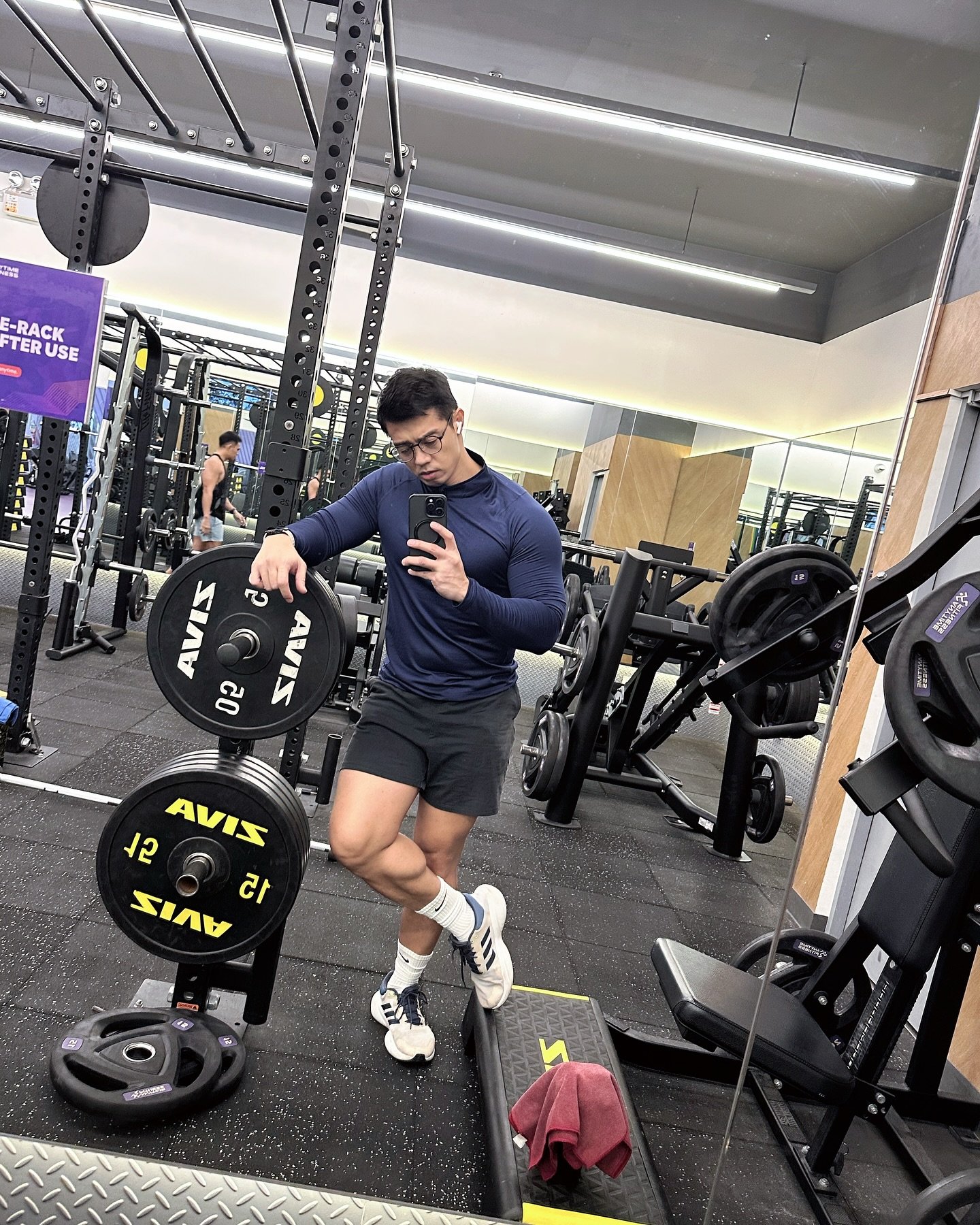
I’m Coach Jeff Alagar, a NASM Physique and Bodybuilding Coach (NASM-PBC) and ISSA Certified Nutrition Coach. I’ve coached 156 clients in about 11 countries, mostly busy professionals and OFWs who don’t have time to figure it out alone.
Here’s how it works:
- Orientation and assessment call. We go through your history, schedule, food, health screening and goals. This is where your plan gets its foundation.
- Custom workout program built on the NASM OPT model, loaded in the coaching app so you know exactly what to do every session, with progression built in.
- Custom meal plan built around the food you actually eat, rice included, with calories and macros from your assessment. You review and approve it before it goes live.
- Weekly check-ins every Friday: weight, progress photos, workouts and habits.
- Feedback and support on WhatsApp. No waiting for a monthly call. Questions, food photos, form check videos, adjustments.
- Daily steps tracking and weekly Power Rankings so you can see how consistent you’ve been and stay motivated.
- Reassessments to recalibrate your plan as your body changes.
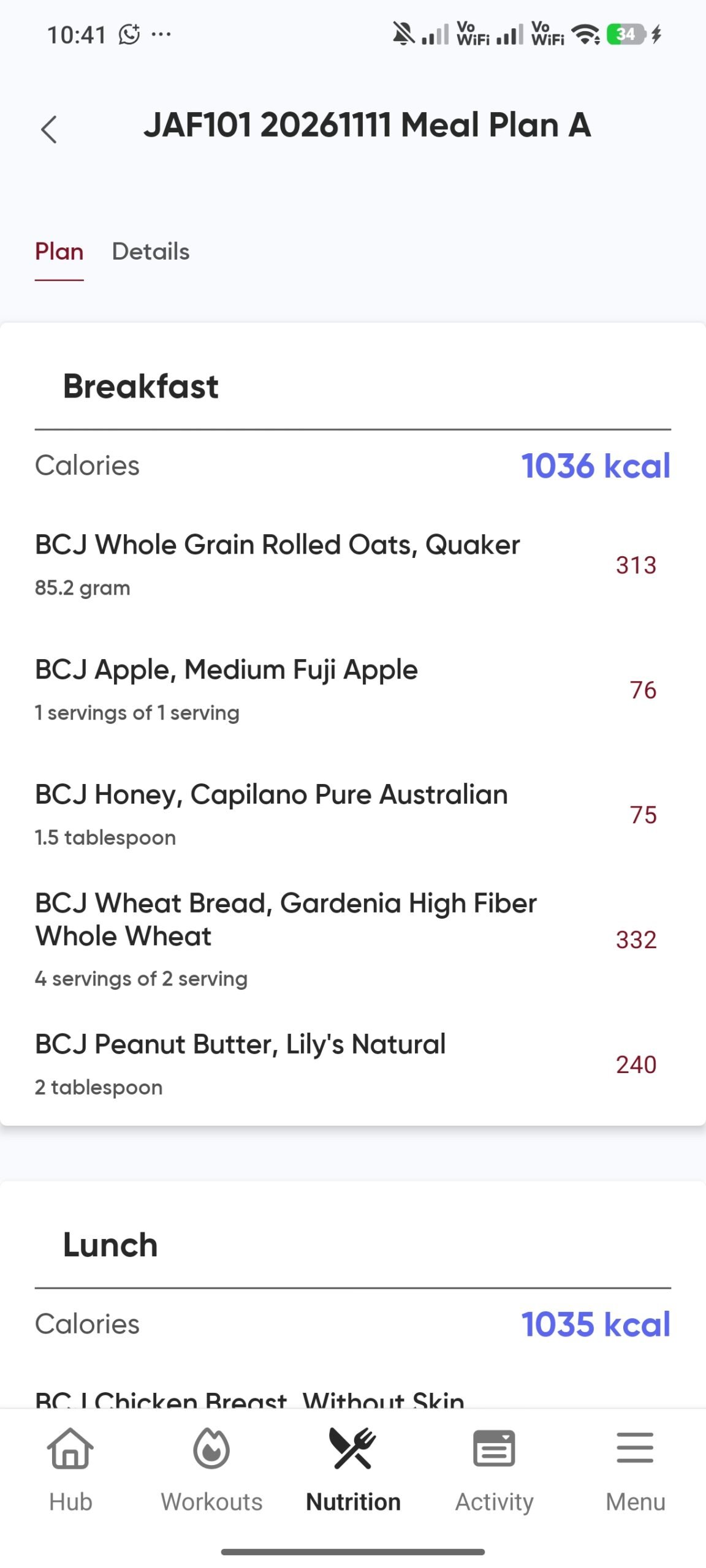
There are no live video training sessions. After onboarding, everything runs through the app and chat, which is exactly why it works for people with unpredictable schedules and different time zones.
Ready to see if coaching fits you?
Take the 2-minute quiz and get your starting calories, protein target and the coaching style that suits you.
Take the coaching quizSee real client resultsFAQ
Can ChatGPT or AI replace a personal trainer or nutritionist?
Not fully. AI can give general information and quick ideas, but studies show its exercise and nutrition advice is often incomplete and inconsistent. It can’t screen your health, check your form, see your real data or hold you accountable, which is where most results come from.
Is it safe to follow an AI-generated meal plan?
For a healthy adult, a general AI meal plan is usually not dangerous, but it’s often not right for you. It may ignore health conditions, medications, food you can actually buy and portions you actually eat. If you have any medical condition, get guidance from a qualified professional first.
Is online coaching as effective as in-person training?
For most goals like fat loss, muscle gain and building habits, yes. Research on remote coaching shows strong results when there’s regular contact and accountability. Online coaching also fits travel, shift work and OFW schedules that a fixed gym trainer can’t.
Do I have to stop eating rice to lose weight?
No. Fat loss comes from a sustained calorie deficit, not from cutting one food. A good coach fits rice into your plan in the right portions so you can keep eating the way your family eats.
How long before I see results with an online coach?
Most people notice changes in energy, strength and habits within the first few weeks, with visible changes usually showing over 8 to 12 weeks of consistent work. That’s why most coaching programs run 12 weeks or longer.
Can I still use AI if I have a coach?
Yes, and you should, for recipes, grocery lists and quick questions. Just let your coach set your calories, program and major changes, and send anything confusing their way.
References
- Zaleski AL, et al. Comprehensiveness, Accuracy, and Readability of Exercise Recommendations Provided by an AI-Based Chatbot. JMIR Medical Education, 2024. mededu.jmir.org
- The sports nutrition knowledge of large language model (LLM) AI chatbots. PLOS ONE, 2025. PMC12165421
- Appel LJ, et al. Comparative effectiveness of weight-loss interventions in clinical practice (POWER trial). New England Journal of Medicine, 2011.
- Expert Coaching in Weight Loss: Retrospective Analysis. Journal of Medical Internet Research, 2018. PMC5871741
- Silveri et al. Accountability in weight loss programs: a review. Cureus, 2024. PMC11634553