
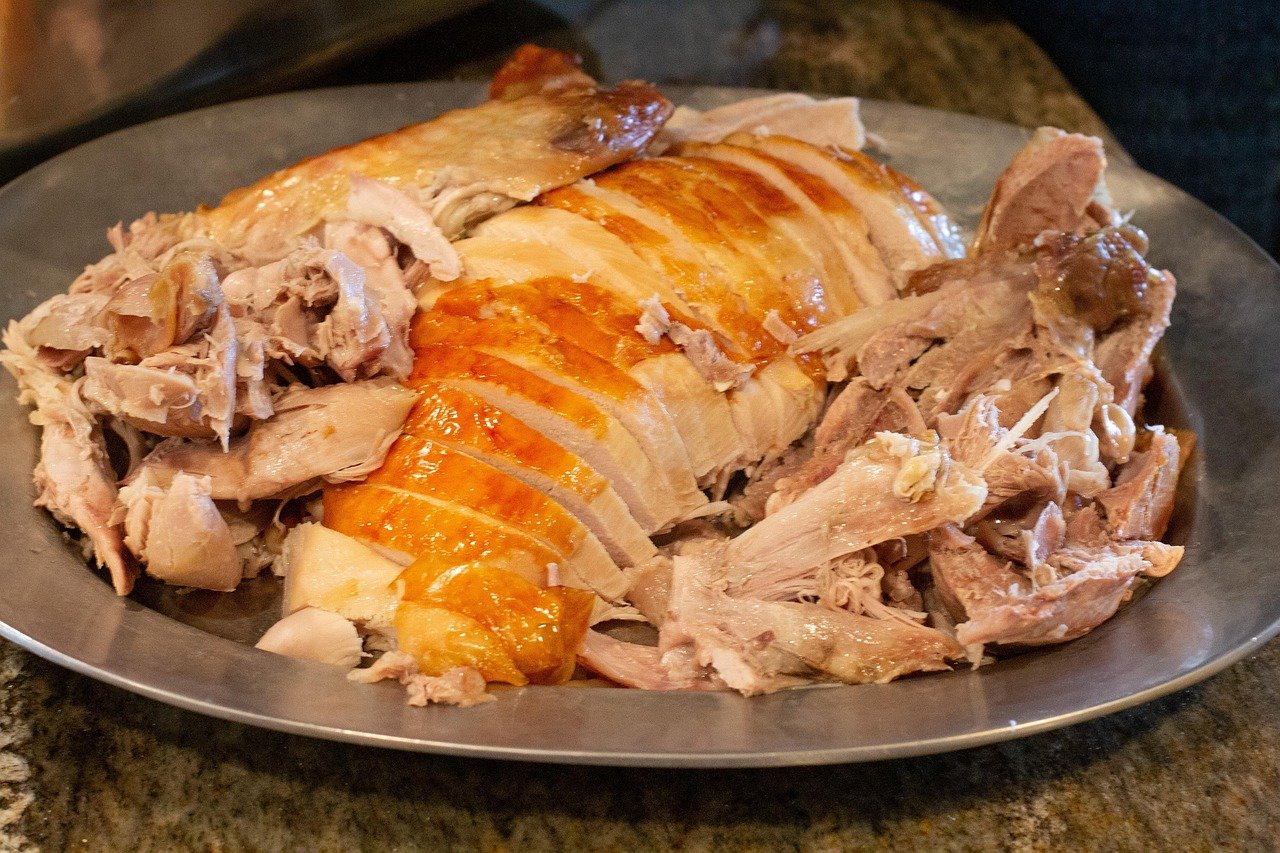
Yes, turkey is good for you because it is a lean, high-protein meat rich in B vitamins and essential minerals like selenium, zinc, and iron. A 3-ounce (85-gram) serving of skinless roasted turkey provides about 24 grams of quality protein with low saturated fat, making it an excellent option for building muscle and supporting fat loss.
Key takeaways
- Turkey delivers roughly 24 grams of high-quality protein per 3-ounce serving to support muscle recovery and satiety.
- It is packed with B vitamins (including B3, B6, and B12) and minerals (selenium, zinc, and iron) that boost energy metabolism and immune function.
- Removing the skin and choosing roasted white meat keeps saturated fat and extra calories low.
- If you overeat during holiday feasts, do not compensate with extreme restriction, just go back to regular lang the next meal.
What makes turkey a good lean protein choice?
According to an article on health.clevelandclinic.org, turkey is packed with essential nutrients that support your overall health. For OFWs living in the US or Filipinos celebrating Thanksgiving with family abroad, turkey is one of the most accessible lean meats available. Turkey isn’t really a thing dito sa Pinas, and we don’t celebrate Thanksgiving here usually. But knowing its nutritional value helps you make smart choices whenever you travel or try new protein sources.
Here are the 3 main health benefits of adding turkey to your nutrition plan:
Free for readers: get Bye-Bye Bilbil, my free 6-step belly fat guide.
1. High protein content for muscle growth and fat loss
Your body relies on protein to repair muscle tissue after heavy workouts. A 3-ounce serving of skinless roasted turkey delivers around 24 grams of protein for roughly 135 calories. High-protein meals keep you full longer, which helps reduce constant cravings when working desk jobs. If you want to know how much total protein you should aim for each day, check out my guide on how much protein you really need a day.
2. Rich in B vitamins for energy metabolism
Turkey contains key B vitamins, including niacin (B3), pyridoxine (B6), and cobalamin (B12). These vitamins help convert the carbohydrate and fat from your diet into usable cellular energy. Vitamin B12 also supports red blood cell production and nerve function, keeping your mental focus sharp during long work shifts.
3. Loaded with essential minerals
This poultry option delivers important minerals like selenium, zinc, and iron. Selenium supports your thyroid health, while zinc plays an active role in immune function and tissue repair. Iron helps transport oxygen throughout your bloodstream so you do not feel drained during your gym sessions.
How does turkey compare to chicken breast?
Turkey breast and chicken breast have almost identical nutritional profiles, making them easy substitutes for each other in any meal plan. Chicken remains the primary staple in Filipino households, but turkey white meat is equally lean and beneficial for your fitness goals.
Here is a quick comparison of 3 ounces (85 grams) of roasted skinless breast meat for both sources:
| Nutrient | Skinless Turkey Breast (3 oz) | Skinless Chicken Breast (3 oz) |
|---|---|---|
| Calories | ~135 kcal | ~140 kcal |
| Protein | ~24 g | ~26 g |
| Fat | ~3 g | ~3 g |
| Saturated Fat | ~1 g | ~1 g |
If turkey is hard to find at your local supermarket, stick with reliable protein sources like chicken breast or convenient options. I reviewed quick grab-and-go options in my 7-Eleven chicken breast review for busy days back home.
How to enjoy turkey and holiday meals without ruining your progress?
Fitting holiday feasts like Thanksgiving or Christmas into your fitness plan is simple when you follow a clear process. You do not need to skip festive dinners or feel guilty about enjoying a large plate.
Follow these four simple steps to keep your nutrition on track during family gatherings:
Step 1: Choose skinless white meat
Fill half of your plate with skinless turkey breast or wings. White meat contains less saturated fat and fewer calories than dark meat cuts like thighs and drumsticks. Removing the skin shaves off about 30 calories and 3 grams of saturated fat per serving.
Step 2: Watch the sodium levels
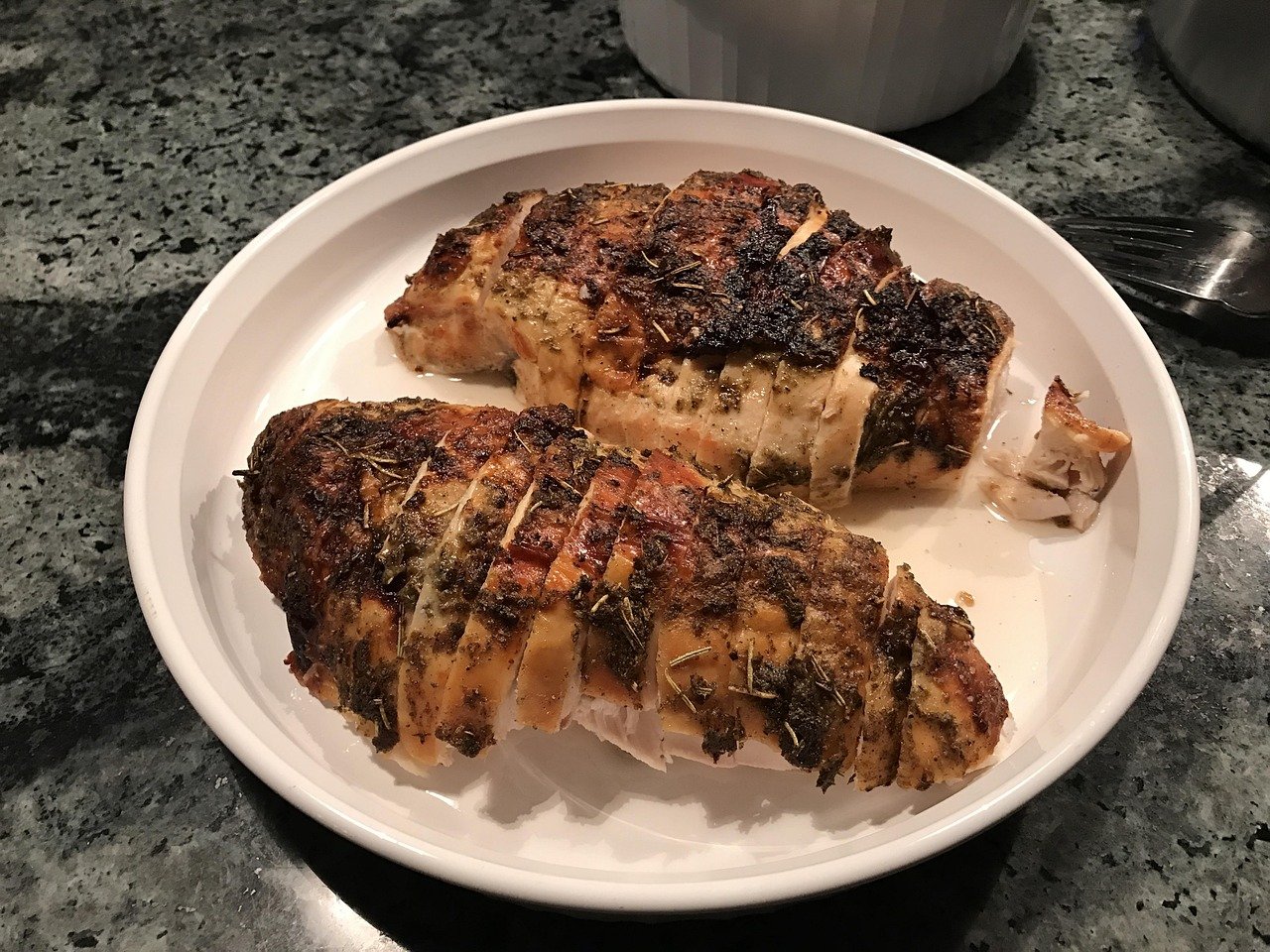
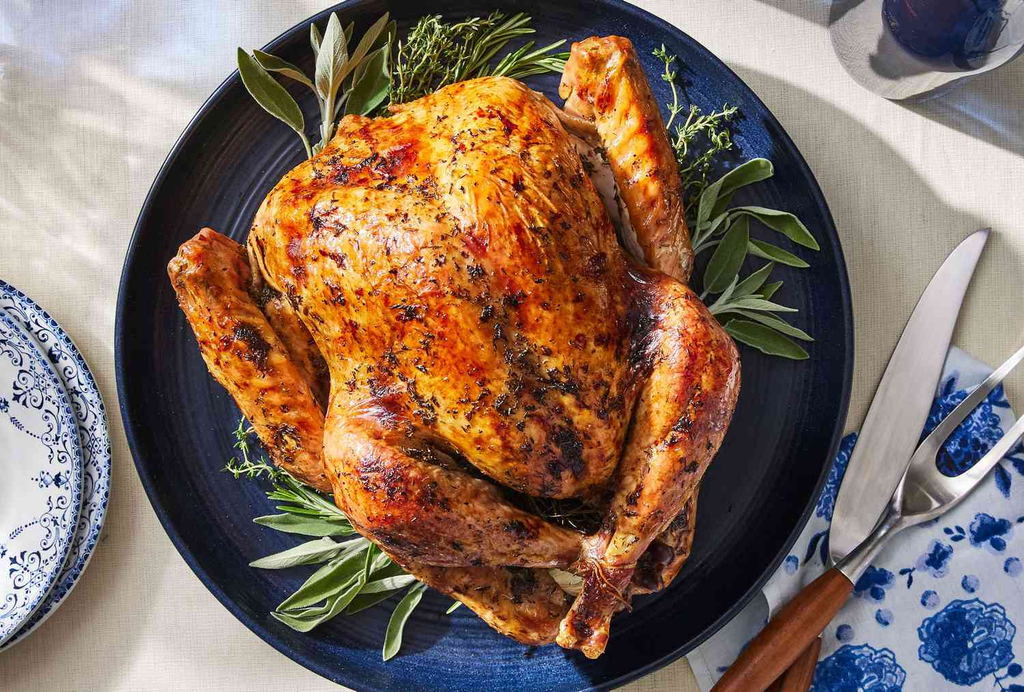
Be careful with heavily processed options like deli turkey, turkey bacon, turkey sausage, or salt-heavy store-bought brines. Processed meats contain high sodium levels, which cause temporary fluid retention and scale weight spikes. Choose fresh roasted turkey seasoned with natural herbs like rosemary, thyme, and garlic instead.
Step 3: Keep your plate workable
Dun tayo sa workable muna when building your holiday plate. Pair your lean protein serving with vegetables and a moderate portion of carbs like rice or potatoes. You can enjoy traditional holiday food without pushing your daily intake into a massive calorie surplus.
Step 4: Bounce back at the next meal
After a big feast, back to regular lang agad. Do not try to compensate by skipping meals, doing hours of extra cardio, or starving yourself the next morning. An aggressive calorie restriction after overeating almost always triggers another binge cycle. Bounce back lang agad with your standard meal prep on the following day. For more tips on managing large celebrations, check out my Noche Buena and inuman survival guide.
Frequently asked questions
Is ground turkey healthier than ground beef?
Ground turkey is healthier if you purchase extra-lean options like 93/7 or 99/1 lean-to-fat ratios. Standard ground turkey often includes ground dark meat and skin, which brings its saturated fat content close to regular ground beef. Check the nutrition label on the package before buying.
Can eating turkey make you feel sleepy?
Turkey contains tryptophan, an amino acid involved in producing serotonin and melatonin. However, turkey does not contain enough tryptophan by itself to make you drowsy. Sleepiness after holiday dinners is usually caused by eating heavy portions of carbohydrates and total calories.
Is turkey skin bad for your fat loss goals?
Turkey skin is not inherently harmful, but it adds extra calories and saturated fat to your meal. Removing the skin keeps the meat lean so you get all the protein benefits without taking in extra calories.
Ready to hit your fitness goals without extreme diets?
Building a lean, strong body does not mean avoiding holiday meals or giving up your favorite foods. If you want a structured nutrition and training program built for your busy lifestyle, I can help you reach your goals with realistic habits that last. Visit Online Coaching with Coach Jeff to start your customized program today.
Lezzgo!
Featured photo: billeagle / Pixabay.
Coach's Stack
The supplements, gear and equipment Coach Jeff actually uses and recommends to clients.

Body by Coach Jeff may earn a commission when you buy through these links, at no extra cost to you. Supplements are not a substitute for a balanced diet; check with your doctor if you have a medical condition or take medication. Visit the shop →