
Optimizing your Filipino fitness journey requires shifting from arbitrary workout sessions to a structured progressive overload routine paired with targeted nutrition adjustments. If you are experiencing slow progress gym results after lifting for one to three years, streamlining your weekly split and tracking your daily protein intake will reignite your muscle gain and fat loss.
After your first year or two in the gym, initial quick gains slow down. You might be working out five days a week, eating reasonable meals, and still feel stuck at the same body weight or strength level. Passing this intermediate plateau requires systematic adjustments rather than working out harder without a structure.
How to Structure Your Filipino Fitness Journey for Maximum Results
To keep making visible progress, your training must follow a structured progressive overload guide. Progressive overload means continuously increasing the stress placed on your muscles over time by adding load, increasing reps, or improving execution form. Simply breaking a sweat or feeling tired after a session is not enough to stimulate new adaptation once you are past the novice stage.
Free for readers: get Bye-Bye Bilbil, my free 6-step belly fat guide.
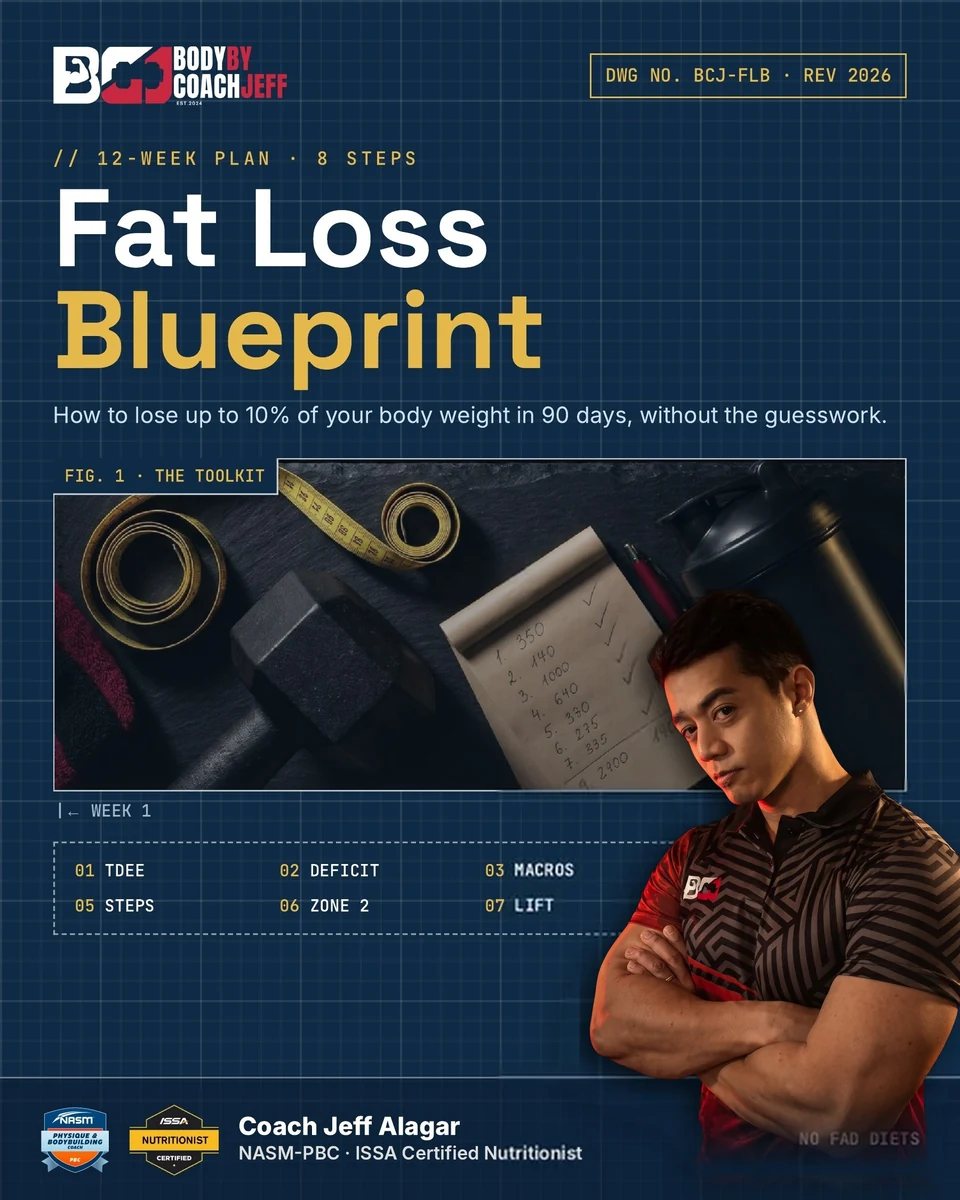
Nutrition also requires direct attention. Applying calorie deficit strategies during a fat loss phase or maintaining a slight surplus for muscle building ensures your efforts in the gym show up in your physique. Without tracking food intake, it is easy to overeat or undereat relative to your target goals.
Choosing the Right Workout Split
Selecting an effective workout routine Philippines lifters can stick to consistently comes down to your personal schedule. Two popular splits for intermediate lifters are the 4-Day Upper/Lower Split and the 6-Day Push/Pull/Legs (PPL) Split.
While exploring the PPL workout benefits—such as higher training volume and distinct push and pull days—keep in mind that consistency matters more than raw frequency. If your work or family commitments make six days in the gym unrealistic, a 4-day split yields superior results because you can recover fully between sessions.
| Feature | 4-Day Upper/Lower Split | 6-Day Push/Pull/Legs (PPL) |
|---|---|---|
| Weekly Frequency | 4 workout days, 3 rest days | 6 workout days, 1 rest day |
| Target Audience | Busy intermediate lifters | Dedicated lifters with flexible schedules |
| Recovery Demand | Moderate (Great for busy schedules) | High (Requires strict sleep and diet) |
| Volume Per Muscle Group | Balanced (2x per week) | High (2x per week, more exercise variety) |
The 4-Week Filipino Workout Plan Template
Here is a balanced 4-day intermediate program designed to build strength and lean mass while allowing ample recovery time. Execute this schedule for four straight weeks, focusing on gradual improvements in weight or rep count each week.
Weekly Schedule Overview
- Monday: Upper Body A (Push Focus)
- Tuesday: Lower Body A (Quad Focus)
- Wednesday: Active Rest or Cardio
- Thursday: Upper Body B (Pull Focus)
- Friday: Lower Body B (Posterior Chain Focus)
- Saturday & Sunday: Full Rest
Exercise Selection Template
- Upper Body A: Dumbbell or Barbell Bench Press (3 sets of 6-8 reps), Incline Dumbbell Press (3 sets of 8-10 reps), Lat Pulldowns or Pull-ups (3 sets of 8-10 reps), Lateral Raises (4 sets of 12-15 reps), and Triceps Overhead Extensions (3 sets of 10-12 reps).
- Lower Body A: Barbell Back Squat or Leg Press (3 sets of 6-8 reps), Romanian Deadlifts (3 sets of 8-10 reps), Bulgarian Split Squats (3 sets of 10-12 reps per leg), Standing Calf Raises (4 sets of 12-15 reps), and Hanging Leg Raises (3 sets of 12-15 reps).
- Upper Body B: Barbell or Chest-Supported Rows (3 sets of 6-8 reps), Overhead Shoulder Press (3 sets of 8-10 reps), Cable Rows or Chin-ups (3 sets of 8-10 reps), Dumbbell Chest Flyes (3 sets of 10-12 reps), and Biceps Incline Curls (3 sets of 10-12 reps).
- Lower Body B: Conventional or Trap Bar Deadlift (3 sets of 5 reps), Dumbbell Walking Lunges (3 sets of 10 reps per leg), Hamstring Leg Curls (3 sets of 10-12 reps), Calf Press (4 sets of 12-15 reps), and Cable Ab Crunch (3 sets of 12-15 reps).
When selecting your weights, remember that loading strategy matters. Understanding heavy weights versus lighter weights for muscle growth helps you push sets close to mechanical failure safely without burning out your central nervous system.
Nutrition Strategies for Filipino Lifters
Dialing in your nutrition for fitness Philippines style does not mean giving up your favorite local dishes. Successful long-term muscle gain tips Philippines lifters rely on focus on portion control, adequate total calories, and prioritizing protein intake.
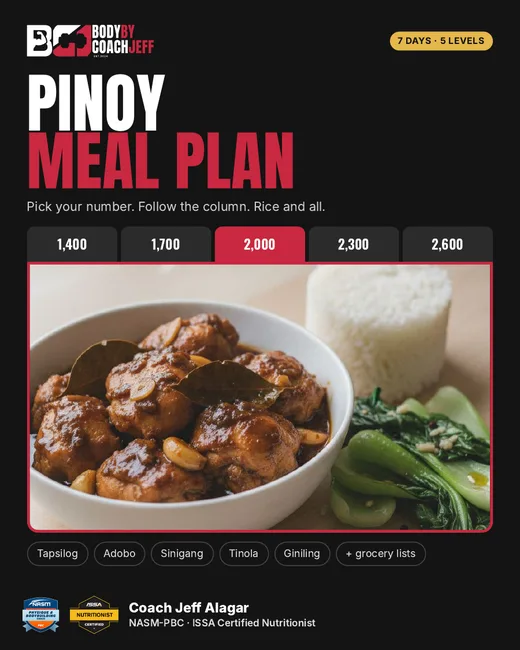
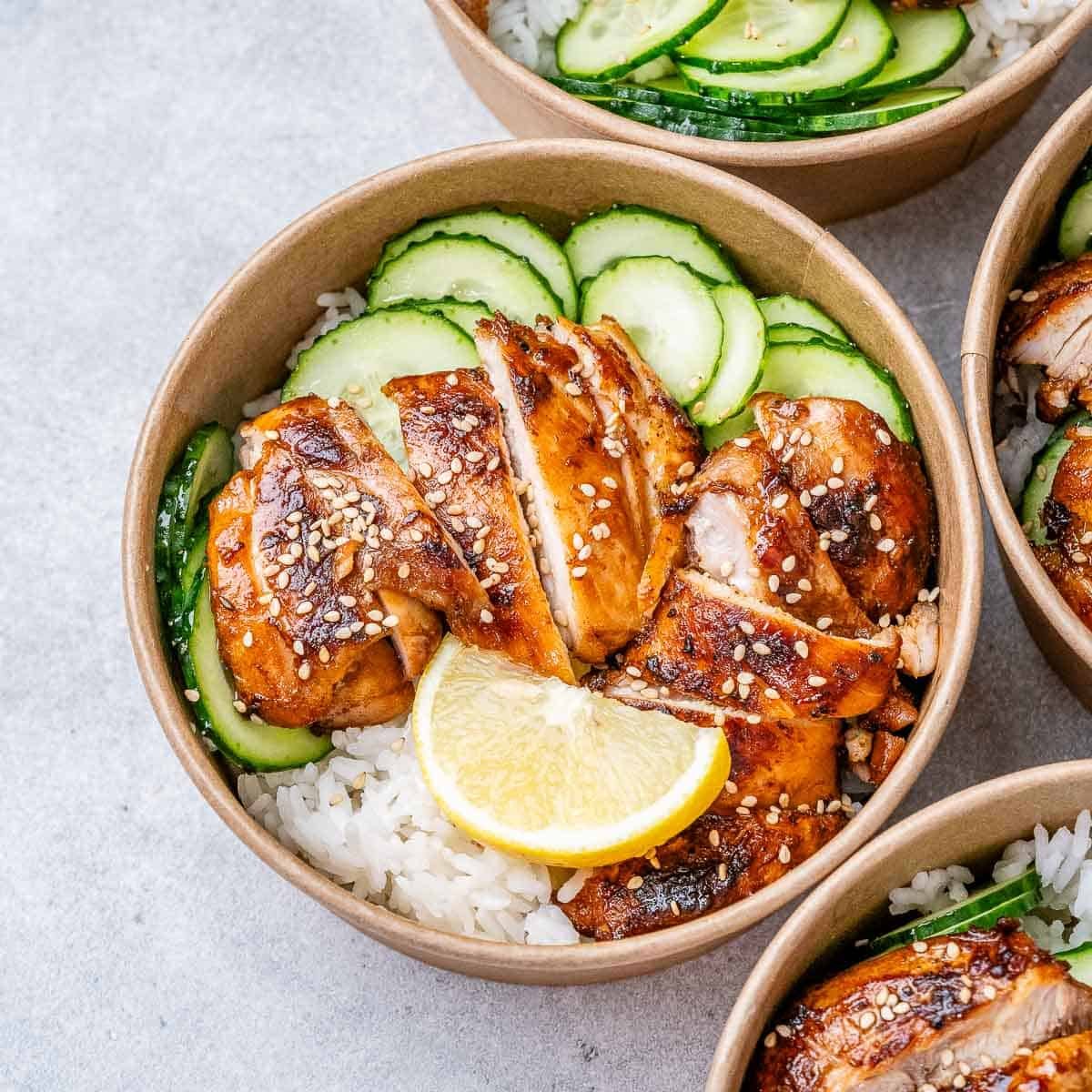
If you are cutting, building a sustainable Filipino diet for weight loss involves managing rice portions while increasing lean protein sources such as chicken breast, fish, lean beef, tofu, and egg whites. A common question among lifters is whether staple carbs hurt progress. Reading about white rice and weight loss for Filipinos reveals that white rice itself is not the enemy—untracked total calories are.
To hit your daily target of roughly 1.6 to 2.2 grams of protein per kilogram of body weight, convenience plays a big role. Utilizing protein shakes for Filipinos who are on the go provides a practical tool to hit protein goals without prepping extra full meals every day. Pair your supplements with Filipino healthy eating fundamentals like adding fresh vegetables to meals and reducing sugary beverages.
Tracking Progress and Prioritizing Recovery
Overcoming a weight loss plateau Philippines lifters hit—or a muscle gain plateau—requires objective data. Relying purely on memory often leads to stalled workouts and missed nutrition targets.
- Log Your Workouts: Track the weights, sets, and reps for every exercise. If you lifted 50 kg for 8 reps last week, aim for 50 kg for 9 reps or 52.5 kg for 8 reps this week.
- Track Body Measurements: Weigh yourself 3-4 times a week under identical conditions (morning, post-washroom) and take average weekly figures. Take waist and chest measurements every two weeks.
- Prioritize Sleep: Muscle growth and fat loss happen during rest. Chronic sleep deprivation and recovery issues elevate cortisol and ruin gym performance. Aim for 7 to 9 hours of uninterrupted sleep every night.
Tracking fitness progress gives you clear feedback. When your average body weight, performance log, and physical photos show steady trends over 4 to 6 weeks, you know your program is optimized.
If you want a personalized plan tailored to your specific goals and schedule, start your coaching journey today at https://bodybycoachjeff.com/start/.
Coach's Stack
The supplements, gear and equipment Coach Jeff actually uses and recommends to clients.



Body by Coach Jeff may earn a commission when you buy through these links, at no extra cost to you. Supplements are not a substitute for a balanced diet; check with your doctor if you have a medical condition or take medication. Visit the shop →